
From Hustle Culture to Slow Living: The Shifting Mindset of Urban Chinese Youth
- Date:
- Views:280
- Source:The Silk Road Echo
Remember when "996" (working 9 AM to 9 PM, six days a week) was the badge of honor for young professionals in Beijing or Shanghai? Today, many urban Chinese millennials and Gen Z are quietly trading hustle for harmony. This isn’t burnout—it’s awakening.
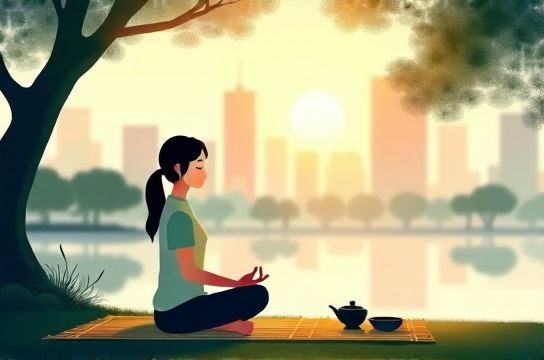
A 2023 survey by China Youth Daily found that over 65% of respondents aged 18–35 now prioritize work-life balance over high salaries. In cities like Chengdu and Hangzhou, the concept of slow living—think leisurely tea sessions, weekend forest hikes, and rejecting constant connectivity—is gaining traction as a form of quiet rebellion.
Take Li Na, 27, who left her corporate marketing job in Shenzhen to open a small ceramic studio in Dali. “I used to measure my worth by KPIs,” she says. “Now I measure it by peace.” Her story isn’t rare. Platforms like Xiaohongshu (China’s answer to Instagram) are flooded with posts tagged #慢生活 (#SlowLife), amassing over 800 million views.
But this shift isn’t just emotional—it’s economic. A growing number of young entrepreneurs are building businesses around mindfulness, eco-living, and local craftsmanship. Co-living spaces with shared gardens, zero-waste cafes, and digital detox retreats are popping up in second- and third-tier cities.
Check out the trend in lifestyle preferences:
| Lifestyle Value | 2020 (%) | 2023 (%) |
|---|---|---|
| High Income & Fast Career Growth | 72% | 48% |
| Work-Life Balance | 54% | 67% |
| Mental Well-being | 41% | 63% |
| Sustainable Living | 29% | 51% |
So what’s driving this cultural pivot? Experts point to pandemic reflections, rising mental health awareness, and disillusionment with materialism. As one Weibo user put it: “We were told to chase the city lights. Now we’re learning to enjoy the moonlight.”
This slow living wave isn’t about laziness—it’s about intentionality. It’s choosing presence over productivity, connection over consumption. And while the hustle culture still lingers in boardrooms, its grip on young hearts is loosening.
For travelers and cultural observers, this means a new China is emerging—one where bamboo forests are more inspiring than skyscrapers, and silence speaks louder than status.