
The Silent Resistance: How Subtle Acts Challenge Authority in Daily Life
- Date:
- Views:294
- Source:The Silk Road Echo
In the quiet corners of everyday life, a powerful yet invisible force is at work—silent resistance. It’s not about protests or loud slogans; it’s the eye roll when your boss says, “We’re like a family here,” while cutting benefits. It’s the extra five minutes you take on a smoke break just because you can. These small acts may seem trivial, but together, they form a subtle rebellion against authority.
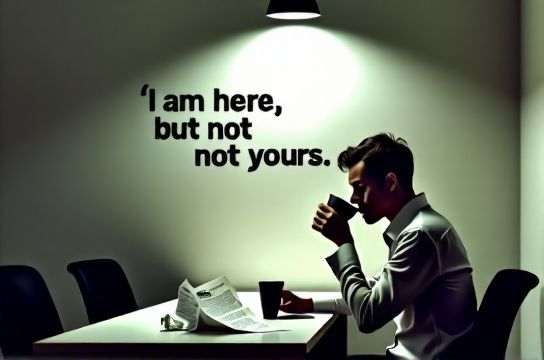
Sociologists call this everyday resistance—a concept popularized by James C. Scott, who studied how marginalized groups push back without open confrontation. From employees tweaking rules to citizens ignoring petty laws, these behaviors are more common—and more impactful—than we think.
The Data Behind the Defiance
A 2022 workplace survey by Gallup revealed that 58% of employees admitted to some form of passive resistance at work, such as slowing down tasks or withholding effort. Meanwhile, a global study across 15 countries found that over 40% of citizens regularly ignore minor regulations—like jaywalking or skipping software updates—if they perceive the rules as unreasonable.
| Behavior | Percentage Practicing | Primary Motivation |
|---|---|---|
| Coming in 5+ mins late | 37% | Lack of trust in management |
| Faking productivity (e.g., mouse jiggler) | 29% | Unfair monitoring |
| Ignoring non-critical policies | 43% | Perceived injustice |
| Subtle sarcasm in communication | 51% | Maintaining dignity |
Why Do We Do It?
Silent resistance isn’t about laziness—it’s about autonomy. When people feel disempowered, they reclaim control through micro-rebellions. Think of hospital nurses who quietly adjust doctor’s orders based on patient needs, or factory workers who slow down the line to reduce errors. These aren’t acts of sabotage—they’re survival strategies.
And let’s be real: many modern workplaces thrive on surveillance. Keystroke tracking, camera monitoring, and AI-driven performance scores make employees feel like cogs. In response, subtle defiance becomes a way to say, I’m still human.
The Ripple Effect
While one person arriving late won’t change the system, collective low-level resistance can shift culture. For example, when remote workers universally ignore after-hours emails, companies eventually update their communication policies. Over time, these behaviors erode rigid hierarchies and force institutions to adapt.
But there’s a fine line. Too much resistance without dialogue leads to disengagement. The goal isn’t chaos—it’s balance. As Scott puts it, “The art of resistance is to survive with dignity.”
So next time you hit snooze on a mandatory meeting reminder or print personal documents on company paper, remember: you’re part of a quiet revolution. And sometimes, silence speaks the loudest.