
Leftover or Liberated? Challenging Stereotypes Around Single Women in China
- Date:
- Views:259
- Source:The Silk Road Echo
Let’s talk about the so-called ‘leftover women’ in China—yeah, that label you’ve probably heard thrown around. Spoiler alert: it’s outdated, unfair, and honestly kind of ridiculous. These days, more and more Chinese women are choosing to stay single, not because they can’t find someone, but because they *don’t want to settle*. And guess what? That’s not a tragedy—it’s a revolution.
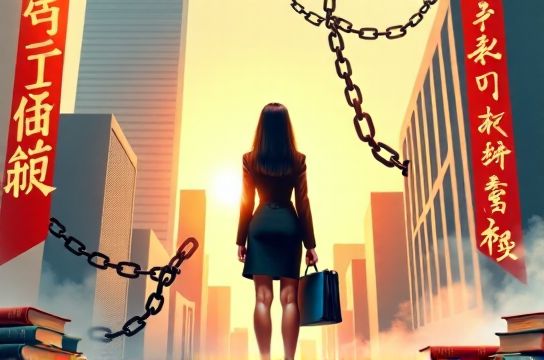
The term ‘sheng nu’ (剩女), literally meaning ‘leftover women,’ was popularized by China’s Ministry of Education back in 2007 to describe unmarried women over 27. Yikes. Right away, it frames singlehood as something sad, like expired yogurt. But here’s the truth: these women aren’t leftovers—they’re liberated.
Take Lily from Shanghai, 31, a marketing executive who says, ‘I love my life. I travel, I earn my own money, I make my own decisions. Why would I rush into marriage just because my aunt thinks I should?’ She’s not alone. According to a 2023 survey by Peking University, nearly 30% of urban women aged 25–34 are still single—and most say they’re perfectly fine with it.
Of course, societal pressure is real. Family dinners can turn into matchmaking sessions faster than you can say ‘Have you found someone yet?’ But younger generations are pushing back. Social media is full of posts celebrating single life, self-growth, and financial independence. Hashtags like #SingleAndHappy and #MyLifeMyRules are trending, especially among millennials and Gen Z.
And let’s be real—marriage isn’t the golden ticket it used to be. Divorce rates in China have been rising, especially in big cities. Many women see marriage not as a goal, but as a choice—one they’re not afraid to delay or skip altogether.
Economic factors play a huge role too. With more women earning degrees and climbing corporate ladders, they’re less financially dependent on men. Why trade freedom for tradition? As one woman put it, ‘I didn’t spend six years in university to become someone’s housewife.’
Still, challenges remain. Single women often face discrimination in housing, healthcare, and even job interviews. But change is coming. Legal reforms, feminist movements, and shifting cultural attitudes are slowly reshaping the narrative.
So, are they ‘leftover’? Hardly. These women are redefining success, happiness, and independence on their own terms. They’re not waiting to be chosen—they’re choosing themselves.
The next time you hear ‘sheng nu,’ remember: it’s not about being left behind. It’s about moving forward—on your own timeline, in your own way.