
Fan Culture Gone Wild: The Dark Side of Celebrity Worship in China
- Date:
- Views:293
- Source:The Silk Road Echo
In recent years, China's fan culture has exploded like a K-pop firework—bright, loud, and impossible to ignore. But behind the glittering hashtags and billion-view livestreams lies a darker reality. What starts as admiration can spiral into obsession, toxicity, and even financial ruin. Welcome to the wild world of celebrity worship in China, where fandom isn’t just support—it’s an all-consuming identity.
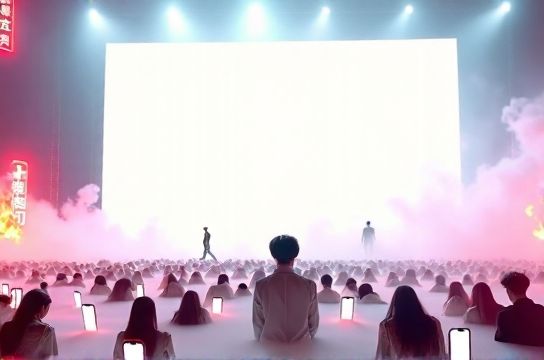
Take the case of Cai Xukun, whose fans once raised over 15 million RMB (about $2.1 million) in a single campaign—not for charity, but to boost his rankings on music charts. Yes, you read that right. Fans were literally pouring money into digital votes, with some buying milk just to scan QR codes on bottle caps—then dumping the excess. This infamous 'milk dumping scandal' sparked national outrage and led regulators to step in.
According to a 2023 report by China Youth Daily, nearly 67% of teenage fans admit to spending more than they can afford on idol-related content. And it’s not just money—time, mental health, and personal relationships are also on the line.
The Fandom Economy: By the Numbers
| Metric | Data |
|---|---|
| Total Fan Economy Value (2023) | ¥1.2 trillion (~$170B) |
| Avg. Monthly Spending per Hardcore Fan | ¥850 (~$120) |
| % of Fans Aged 13–22 | 74% |
| Social Media Platforms Dominated by Fandoms | Weibo, Xiaohongshu, Douyin |
Fan groups operate like underground armies, organized into 'data squads', 'PR teams', and 'donation units'. They coordinate mass点赞 (likes), comments, and purchases to manipulate algorithms and inflate their idol’s online presence. It’s less about art, more about winning digital wars.
The government hasn’t stayed silent. In 2021, China launched the 'Clear and Bright' campaign targeting toxic fan culture. Rules now limit voting, ban under-16 from gifting on livestreams, and require platforms to monitor extreme behavior. But enforcement? Spotty at best.
So where’s the line between passion and pathology? When does loving an idol become self-loss? As one former fan put it: 'I didn’t realize I was living for someone else until I had nothing left for myself.'
The truth is, celebrity worship in China isn’t just a trend—it’s a social phenomenon with real human costs. And unless we start asking harder questions, the next generation might grow up worshipping pixels instead of purpose.