
How Holidays Reflect Chinese Social Values
- Date:
- Views:341
- Source:The Silk Road Echo
If you've ever wondered why Chinese holidays feel so different from Western ones, it's not just about fireworks or dumplings. These celebrations are deep reflections of China’s core social values — family, harmony, respect, and continuity. As someone who’s lived through both Lunar New Year chaos and quiet Mid-Autumn nights, I can tell you: these aren’t just days off. They’re cultural DNA in motion.
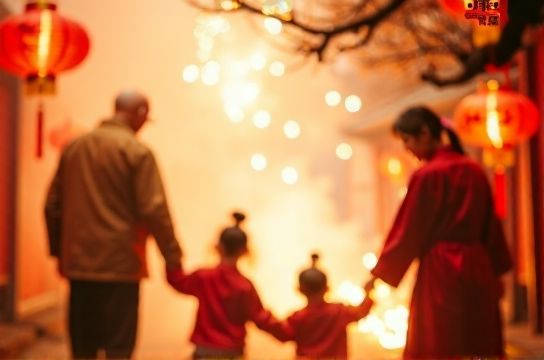
Take the Spring Festival (Chinese New Year). It’s not merely a calendar reset; it’s the world’s largest human migration. Over 3 billion trips are made during the Chunyun period each year — yes, billion. This isn’t just travel. It’s a national pilgrimage back to family. Why? Because family unity is non-negotiable in Chinese culture. No matter how busy life gets, this holiday forces reconnection.
Compare that to Thanksgiving in the U.S., which also emphasizes family — but on a much smaller scale. In China, entire cities shut down. Work stops. Even gig economy workers take time off. That kind of collective pause shows how deeply rooted communal values are.
| Holiday | Core Value Emphasized | Average Time Off (Days) | Key Tradition |
|---|---|---|---|
| Spring Festival | Family Unity | 7 | Reunion Dinner, Red Envelopes |
| Qingming Festival | Ancestral Respect | 3 | Grave Sweeping |
| Mid-Autumn Festival | Harmony & Togetherness | 3 | Mooncake Sharing |
| Dragon Boat Festival | Loyalty & Patriotism | 3 | Racing, Zongzi Eating |
See a pattern? Each major holiday reinforces a pillar of Chinese society. Take Qingming, for example. While many cultures honor ancestors, few do it as formally or widely as China. An estimated 100 million people visit cemeteries annually during Qingming. It’s not just ritual — it’s a reminder that your identity is tied to those who came before you. That’s respect for tradition in action.
And then there’s the Mid-Autumn Festival. On the surface, it’s about mooncakes and lanterns. But symbolically, it’s all about completeness and unity. The full moon represents wholeness. Families gather, often after being apart for months, and share mooncakes — round like the moon, like unity, like continuity. It’s poetic, yes, but also strategic: reinforcing social cohesion every year without fail.
Even lesser-known holidays carry weight. The Dragon Boat Festival commemorates Qu Yuan, a poet-minister who drowned himself in protest against corruption. His story teaches loyalty and moral courage — values still praised in schools and media today.
In short, Chinese holidays aren’t just festive breaks. They’re annual rehearsals for societal values. While Western holidays may focus more on individual celebration (think Christmas gifts or Halloween costumes), Chinese festivals prioritize collective identity and intergenerational bonds.
So next time you see a viral video of a packed train station during Lunar New Year, don’t just see crowds. See commitment — to family, to history, to being Chinese.