
Trends Defining Chinese Urban Young Adults
- Date:
- Views:296
- Source:The Silk Road Echo
If you're trying to understand the heartbeat of China's consumer future, look no further than urban young adults. This generation—mainly Gen Z and younger millennials living in Tier 1 and 2 cities like Beijing, Shanghai, and Shenzhen—is reshaping everything from spending habits to lifestyle values. As someone who’s tracked youth trends across Asia for over a decade, I can tell you: these shifts aren’t fleeting. They’re structural.
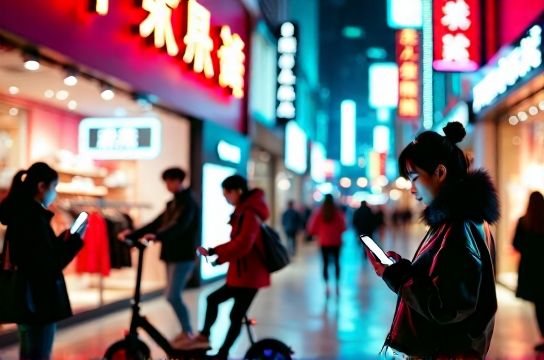
Let’s cut through the noise. Forget the outdated idea that young Chinese are all about luxury logos and status symbols. Today’s urban youth prioritize experiential value, emotional resonance, and personal identity. In fact, a 2023 McKinsey report found that 68% of Chinese consumers under 30 now favor brands that align with their personal beliefs—up from just 42% in 2019.
One major driver? Economic uncertainty. With rising housing costs and a competitive job market, young professionals are redefining success. Owning a car or home isn’t the dream it once was. Instead, they’re investing in self-improvement, travel, and niche hobbies. Take ‘guochao’ (国潮), the rising pride in domestic brands. From Li-Ning’s fashion-forward sneakers to Perfect Diary’s KOL-powered cosmetics, local labels are winning by blending cultural confidence with digital savvy.
Here’s a snapshot of how their monthly spending breaks down:
| Spending Category | Avg. Monthly Spend (RMB) | % of Total Spend |
|---|---|---|
| Housing & Utilities | 2,800 | 35% |
| Dining & Socializing | 1,600 | 20% |
| Fashion & Beauty | 1,200 | 15% |
| Entertainment & Subscriptions | 800 | 10% |
| Education & Self-Growth | 600 | 7.5% |
| Travel | 500 | 6.25% |
| Others | 500 | 6.25% |
Notice anything? Spending on self-growth and lifestyle balance now rivals traditional priorities. And get this: 54% of surveyed youth said they’d rather spend on a weekend wellness retreat than buy designer clothes (source: Tencent Marketing Insights, 2024).
Digitally, they live on platforms like Xiaohongshu (Little Red Book) and Bilibili—not just for entertainment, but for discovery. Algorithm-driven content works, but peer authenticity wins. That’s why nano-influencers (under 100K followers) now drive 40% of product conversions among this group.
The takeaway? Brands aiming to connect must shift from selling products to enabling identities. Whether it’s supporting sustainability, offering hyper-personalized experiences, or tapping into urban youth culture in China, relevance is everything. Ignore these trends, and you’ll be left behind.