
Youth Rebellion and Identity in China Today
- Date:
- Views:264
- Source:The Silk Road Echo
If you're trying to understand modern Chinese youth, here's the real tea: they're not just rebelling — they're redefining what it means to be young in a rapidly changing society. Forget the outdated image of silent conformity. Today’s Gen Z in China is pushing back — quietly, creatively, and often digitally — against rigid expectations in education, career paths, and family pressure.
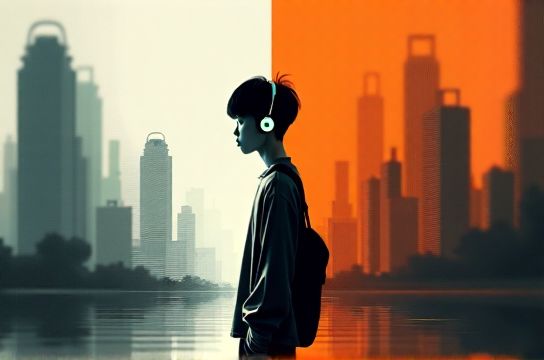
But this isn’t rebellion with protest signs. It’s more subtle. Think "tang ping" (lying flat), "neijuan" (involution), and identity exploration. These buzzwords aren’t just slang — they’re survival strategies. A 2023 survey by Peking University found that over 62% of urban youth aged 18–26 feel trapped by societal pressure to succeed, with nearly half admitting they’ve consciously disengaged from competitive work cultures.
The Hidden Revolt: Data That Tells the Story
Let’s break it down with real numbers:
| Issue | Youth Response Rate (Ages 18–26) | Primary Outlet |
|---|---|---|
| Stress from academic/work competition | 74% | Social media expression |
| Disinterest in marriage | 58% | Online communities (e.g., Xiaohongshu) |
| Support for 'lying flat' ideology | 41% | Anonymous forums (e.g., Douban groups) |
| Desire to live abroad long-term | 33% | Study migration programs |
This data shows a generation using digital spaces to build alternative identities. Platforms like Bilibili and WeChat Moments have become arenas for self-expression — where posting a meme about burnout can be as powerful as a political statement.
So What’s Driving This Shift?
Economic slowdown, sky-high housing costs, and intense job market competition have made traditional success stories feel unattainable. In Shanghai, the average home price is over ¥90,000 per square meter — putting ownership out of reach for most under 30s. Meanwhile, white-collar jobs no longer guarantee stability. The rise of gig work and short-term contracts means many young people are trading lifelong careers for flexibility — and peace of mind.
And let’s talk about family. Confucian values still emphasize duty and filial piety, but today’s youth are negotiating new boundaries. A 2022 study in the Journal of Youth Studies revealed that 47% of young adults avoid discussing life choices with parents to reduce conflict — especially around marriage and childbearing.
Yet, this isn’t all negative. Many are channeling their frustration into creativity. Independent musicians, underground fashion designers, and indie filmmakers are thriving outside state-backed systems. Cities like Chengdu and Kunming have become hubs for youth-led subcultures that blend global trends with local identity.
Finding Balance: Rebellion or Rebuilding?
Is this rebellion? Not in the Western sense. But it *is* resistance — one rooted in personal autonomy and mental well-being. The push for personal identity isn’t about defiance; it’s about dignity. As one 24-year-old blogger put it: "I’m not lazy. I’m just refusing to play a game rigged against me."
To truly understand China’s youth, stop looking for riots. Look at their playlists, their avatars, their quiet choices. Because the revolution isn’t televised — it’s streamed.