
Exploring Youth Culture in Modern China Today
- Date:
- Views:233
- Source:The Silk Road Echo
If you're trying to understand modern China, start with its youth. The post-90s and post-00s generations aren't just shaping trends—they're rewriting the rules of culture, consumption, and identity. As a cultural analyst who's tracked youth behavior across Asia for over a decade, I’ve seen firsthand how Chinese young adults are blending tradition with digital innovation in ways that surprise even local marketers.
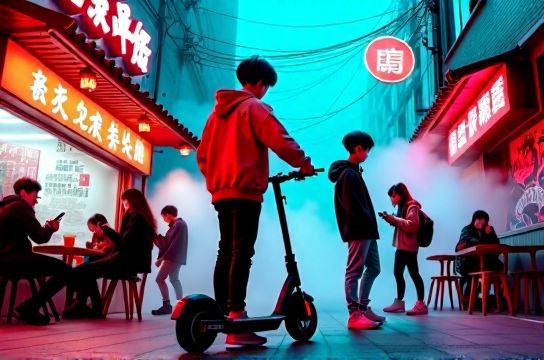
Forget the outdated image of conformity. Today’s Chinese youth are digital natives driving cultural evolution. They’re fluent in global pop culture but fiercely proud of localized expressions—from Hanfu fashion comebacks to homegrown streetwear brands like BEARBRICKS and CLOT. According to a 2023 Tencent report, over 68% of Gen Z in China actively engage with content rooted in traditional Chinese aesthetics, but remixed through modern platforms like Douyin and Bilibili.
Let’s break down what’s really going on.
The Lifestyle Shift: From Status Symbols to Self-Expression
Old-school consumerism? Done. Young Chinese consumers now prioritize experience and identity over luxury logos. A McKinsey survey found that 74% of urban Gen Z shoppers would rather spend on limited-edition sneakers or concert tickets than designer handbags.
| Consumer Priority | Gen Z (18–26) | Millennials (27–40) |
|---|---|---|
| Unique experiences | 63% | 45% |
| Luxury brands | 21% | 38% |
| Eco-friendly products | 57% | 33% |
This shift isn’t just about money—it’s about meaning. Platforms like Xiaohongshu (Little Red Book) have become digital diaries where users curate lifestyles, not just products. And it’s working: niche communities around 'guochao' (national潮—homegrown cool) are exploding.
Digital Identity & Social Pressure
But it’s not all freedom. With hyper-connectivity comes intense social comparison. The term 'neijuan' (involution) went viral a few years ago—and it’s still relevant. It describes the burnout from endless competition in school, jobs, and even social media clout.
Yet, a counter-movement is rising: 'taipingyang yiminyi' or 'lying flat.' While not as widespread as headlines suggest, a 2022 Peking University study showed that 18% of surveyed students identified with low-effort lifestyle choices as a form of resistance.
Creative Hubs: Where Youth Culture Thrives
Cities like Chengdu, Hangzhou, and Xi’an are becoming epicenters of youth-driven creativity. Independent music festivals, underground art galleries, and DIY fashion pop-ups are no longer fringe—they’re mainstream.
For example, Chengdu’s Anren Biennale attracted over 120,000 visitors in 2023, 70% under 30. These spaces aren’t just creative outlets—they’re safe zones for self-discovery in a high-pressure society.
In short, Chinese youth today are not just following trends—they’re setting them. They’re redefining what it means to be modern, Chinese, and digitally empowered. Whether you're a brand, researcher, or curious observer, ignoring this generation means missing the pulse of tomorrow.
Stay sharp. Stay curious. And if you want to truly grasp how youth culture shapes modern China, start listening to the ones holding the mic.