
Mental Health Stigma in China: Why Young People Suffer in Silence
- Date:
- Views:335
- Source:The Silk Road Echo
In today’s fast-paced China, where academic pressure, workplace competition, and family expectations collide, mental health struggles are more common than ever—especially among young adults. Yet, despite rising anxiety, depression, and burnout, many suffer in silence. Why? The answer lies deep in cultural stigma.
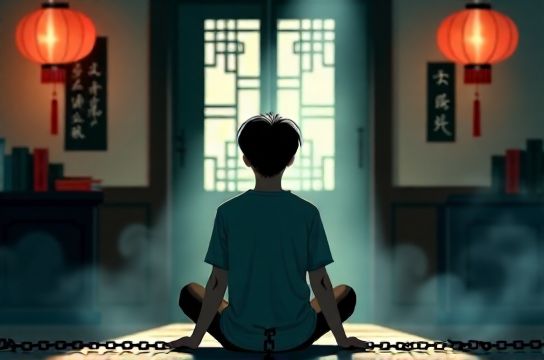
For generations, mental illness has been misunderstood in Chinese society. It’s often seen not as a medical condition, but as a personal weakness or even a moral failing. Phrases like “just cheer up” or “others have it worse” dismiss real pain. This mindset is especially strong among older generations, leaving youth feeling isolated when they need support most.
A 2023 study by Peking University found that over 60% of Chinese college students reported symptoms of anxiety or depression—but fewer than 15% sought professional help. That gap tells a story of silence shaped by shame.
The Cultural Wall: Face, Family, and Fear
In Chinese culture, "saving face" (面子) is powerful. Admitting you’re struggling mentally can be seen as bringing shame to the family. Parents may fear their child will be labeled “crazy” or deemed unfit for marriage or career advancement. As a result, many families choose denial over diagnosis.
Schools and workplaces rarely offer mental health resources. Even when counseling services exist, students and employees avoid them, fearing gossip or discrimination.
Breaking the Silence: Progress Amid Pressure
Change is coming—slowly. Social media platforms like Xiaohongshu and Weibo are becoming safe spaces where young people share stories using hashtags like #IHaveDepression. Celebrities speaking out, such as singer Joker Xue discussing his anxiety, help normalize the conversation.
The government has also taken steps. In 2020, China launched a national plan to expand mental health services, aiming for one mental health professional per 100,000 people by 2030. But with only about 2.9 psychiatrists per 100,000 currently, the gap remains huge.
| Mental Health Indicator | China | Global Average |
|---|---|---|
| Psychiatrists per 100,000 | 2.9 | 7.1 |
| People with Depression Seeking Help | 14% | 38% |
| Youth (15–24) Suicide Rate (per 100k) | 10.6 | 11.9 |
Data shows China isn’t alone in youth mental health crises—but the barriers to care are uniquely shaped by culture.
What Can Be Done?
Real change starts with education. Integrating mental health into school curriculums can help kids understand emotions early. Employers must create psychologically safe workplaces. And families need open conversations—not judgment.
To every young person reading this: your feelings are valid. Seeking help isn’t weakness—it’s courage. The tide is turning. You’re not alone.