
Social Phenomena China Investigating Rural Brain Drain
- Date:
- Views:259
- Source:The Silk Road Echo
China’s rapid urbanization has brought dazzling skylines and booming tech hubs, but behind the glitter lies a quiet crisis—rural brain drain. Every year, millions of young, educated Chinese leave their hometowns in the countryside for cities, chasing jobs, education, and better living standards. This mass migration isn’t just reshaping demographics—it’s hollowing out entire villages.
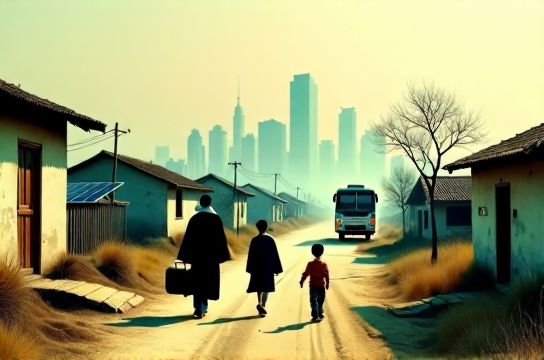
What Is Rural Brain Drain?
Rural brain drain refers to the large-scale departure of skilled, educated individuals from rural areas to urban centers. In China, this trend has accelerated since the early 2000s. According to the National Bureau of Statistics, over 290 million rural migrants now work in cities—more than the entire population of Indonesia.
The consequences? Aging populations in villages, shrinking schools, and declining local economies. But why does it happen, and what’s being done about it?
Why Are Young People Leaving?
It’s simple: opportunity. Urban areas offer higher wages, better healthcare, and access to elite universities. A 2023 survey by Peking University found that 78% of rural college graduates choose not to return home after finishing school.
Consider this comparison:
| Metric | Rural Average (2023) | Urban Average (2023) |
|---|---|---|
| Monthly Income | ¥4,200 | ¥8,600 |
| University Enrollment Rate | 32% | 68% |
| Doctors per 1,000 People | 0.8 | 2.5 |
| High-Speed Internet Access | 61% | 94% |
This gap isn’t just economic—it’s existential. For ambitious youth, staying rural often feels like choosing stagnation.
Government Response: Can Policy Reverse the Tide?
Beijing hasn’t stayed idle. Since 2018, the Rural Revitalization Strategy has poured billions into upgrading infrastructure, boosting e-commerce, and incentivizing entrepreneurs. Programs like “Ten Thousand Talents Return to the Countryside” offer tax breaks and startup grants.
Results? Mixed. While some regions—like Zhejiang’s Anji County—have seen success with eco-tourism and digital farming, many others remain overlooked. A 2022 Ministry of Agriculture report admitted that only 12% of returning talent stay beyond three years.
The Human Cost: Left-Behind Families
Behind every migrant is a family left behind. Over 60 million children in rural China are raised by grandparents while parents work in distant cities. These ‘left-behind children’ face higher risks of depression, lower academic performance, and strained family bonds.
Meanwhile, elderly care crumbles. With fewer working-age adults, village clinics and elder support systems are overwhelmed. The average age in some villages now exceeds 60—effectively turning them into retirement zones without the amenities.
Is There Hope?
Yes—but the solution isn’t just money. It’s about dignity, connection, and long-term vision. Some innovators are proving change is possible:
- Douyin Farmers: Young influencers using livestreaming to sell local goods—some earning six figures annually.
- Rural Co-Living Hubs: Shared workspaces popping up in Yunnan and Guizhou, attracting remote workers and digital nomads.
- Eco-Villages: Sustainable communities blending tradition and tech, like Sichuan’s bamboo-based smart farms.
These sparks show potential, but scaling them requires systemic change—better pay, real career paths, and emotional belonging.
Final Thoughts
China’s rural brain drain isn’t just a policy problem—it’s a story of dreams, disparity, and resilience. Fixing it won’t happen overnight, but if the countryside can offer not just survival, but meaning, the tide might turn. After all, no one wants to abandon home—they just want a future worth coming back to.