
How Chinese Society Explained Reflects Changing Values
- Date:
- Views:241
- Source:The Silk Road Echo
In recent years, the phrase Chinese Society Explained has gained traction—not just in academic circles, but across social media and global discourse. It’s more than a trend; it’s a lens into how modern China balances tradition with rapid transformation. From family dynamics to workplace culture, consumer behavior to digital innovation, Chinese society is evolving at warp speed—and the world is watching.
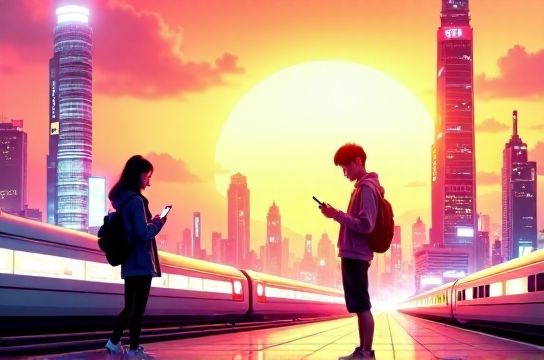
The Pulse of Modern China: Tradition Meets Tomorrow
Gone are the days when Confucian values alone dictated social norms. While respect for elders and collective harmony still matter, younger generations are reshaping identity through individualism, tech-savviness, and global awareness. A 2023 survey by PwC found that 68% of urban Chinese millennials prioritize personal fulfillment over job stability—a seismic shift from their parents’ generation.
This cultural pivot isn’t rebellion; it’s redefinition. The concept of ‘face’ (mianzi) still influences decisions, but now it’s less about familial reputation and more about personal branding—especially online.
Digital Life: Where Society Plays Out Online
If you want to understand Chinese society today, start with its smartphones. With over 1.05 billion internet users (CNNIC, 2024), China’s digital ecosystem is a microcosm of its values. Platforms like WeChat, Douyin (TikTok’s domestic cousin), and Xiaohongshu aren’t just apps—they’re social infrastructures.
Consider this: the average Chinese user spends 3.5 hours daily on mobile apps, with social commerce driving nearly 30% of e-commerce sales (Statista, 2024). This fusion of social interaction and consumption reflects a society where trust is built through peer influence, not ads.
| Metric | Value | Source |
|---|---|---|
| Internet Users (2024) | 1.05 billion | CNNIC |
| Average Daily Screen Time | 3.5 hours | Statista |
| Social Commerce Penetration | 29.7% | iResearch |
| Gen Z Population | 180 million | NBS |
| Urban Homeownership (Under 30) | 37% | McKinsey |
Work, Wealth, and the 'Lying Flat' Movement
The grind culture once celebrated in China is being questioned. Enter "tang ping", or “lying flat”—a quiet resistance against relentless work expectations. While not everyone is dropping out, the sentiment reveals a growing desire for work-life balance.
Yet, ambition hasn’t vanished. In fact, 54% of Gen Z say they want to start their own business (HRoot, 2023). They’re not rejecting success—they’re redefining it on their terms: flexible, meaningful, and digitally enabled.
Family & Future: Redefining the Social Contract
The one-child policy may be over, but its legacy lingers. Many young adults are "the only child supporting four parents," creating financial and emotional pressure. Marriage rates have dropped 18% since 2013 (NBS), and birth rates hit a record low of 6.77 births per 1,000 people in 2023.
But don’t mistake this for societal decline. Instead, it’s adaptation. Cohabitation without marriage, delayed parenthood, and alternative family models are becoming normalized—especially in cities like Shanghai and Shenzhen.
Conclusion: A Society in Motion
Chinese society explained isn’t about fitting a single narrative. It’s about embracing contradiction: rooted in heritage, yet sprinting toward the future. Whether it’s livestream shopping, mental health awareness, or eco-conscious startups, the new China is diverse, dynamic, and deeply human.
To truly get it? Look beyond the headlines. Watch how a teen debates her mom about career choices on Weibo. Notice how a rural entrepreneur sells handmade goods via Douyin. That’s where the real story unfolds.