
Chinese Youth Culture Embracing Individualism Over Conformity
- Date:
- Views:274
- Source:The Silk Road Echo
In recent years, a quiet revolution has been unfolding across China—one not led by politics or economics, but by culture. The younger generation, especially those born after 1995, are redefining what it means to be Chinese in the 21st century. No longer content with blind conformity, today’s Chinese youth are boldly embracing individualism, self-expression, and personal freedom.
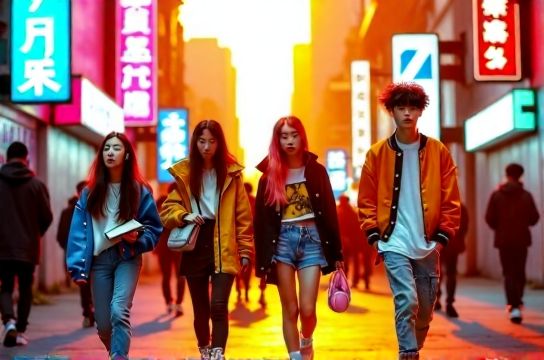
Gone are the days when fitting in was the ultimate goal. According to a 2023 survey by China Youth Daily, over 68% of Gen Z respondents said they prioritize personal happiness over societal expectations. This shift isn’t just philosophical—it’s visible in fashion, career choices, digital lifestyles, and even romance.
The Rise of 'Little Self' Culture
In Mandarin, this movement is often called “小确幸” (xiǎo què xìng), or 'small certain happiness,' reflecting a desire for meaningful, personalized experiences. From indie music festivals in Chengdu to street art in Shanghai’s M50 district, young people are carving out spaces where authenticity trumps tradition.
Take fashion: once dominated by global luxury brands, China’s youth now favor homegrown labels like BE@RBRICK and Staffonly, which blend irony, streetwear, and avant-garde design. In 2022, Alibaba reported that sales of 'designer streetwear' among users aged 18–24 surged by 142% year-on-year.
Career Paths Redefined
Traditional markers of success—stable government jobs, big corporate titles—are losing their luster. Instead, more young Chinese are pursuing freelance work, content creation, or starting niche businesses. A 2023 report from PwC China found that 41% of university students plan to become freelancers or entrepreneurs, up from just 23% in 2018.
This isn’t rebellion for its own sake. It’s a response to real pressures: rising living costs, a competitive job market, and a growing awareness of mental health. As one 22-year-old blogger in Guangzhou put it: 'I’d rather earn less and feel free than climb a ladder that leads nowhere.'
Digital Identity & Social Media
Social platforms like Xiaohongshu (Little Red Book) and Bilibili have become stages for self-expression. On Bilibili, videos tagged #MyTruth or #BeYourself have collectively garnered over 2.3 billion views in the past year alone.
Here’s a snapshot of youth-driven cultural trends:
| Trend | Platform | Engagement (2023) | Year-over-Year Growth |
|---|---|---|---|
| Indie Music | Bilibili | 870 million views | +64% |
| Vintage Fashion | Xiaohongshu | 1.2 billion likes | +91% |
| Mental Health Vlogs | 540 million views | +110% | |
| Digital Nomad Life | Douyin | 980 million views | +135% |
These numbers aren’t just stats—they reflect a deeper craving for identity and autonomy.
Challenges Ahead
Of course, individualism doesn’t come without friction. Many young people still face pressure from families to marry early or pursue 'safe' careers. And while urban centers like Beijing and Shenzhen celebrate diversity, smaller cities can be more conservative.
Yet the momentum is undeniable. As education levels rise and digital connectivity deepens, the balance between collective values and personal freedom continues to shift.
In the end, Chinese youth aren’t rejecting their culture—they’re reshaping it. They’re proving that you can honor tradition while still being true to yourself. And that, perhaps, is the most powerful form of progress.