
Understanding Chinese Society Explained Through Youth Trends
- Date:
- Views:232
- Source:The Silk Road Echo
If you want to truly understand Chinese society, stop reading political textbooks or economic reports—just look at the youth. China’s young generation isn’t just shaping trends; they’re redefining culture, work, and identity in ways that ripple across the nation. From 'lying flat' to 'revenge spending,' Gen Z and Millennials are sending powerful social signals through their lifestyles.
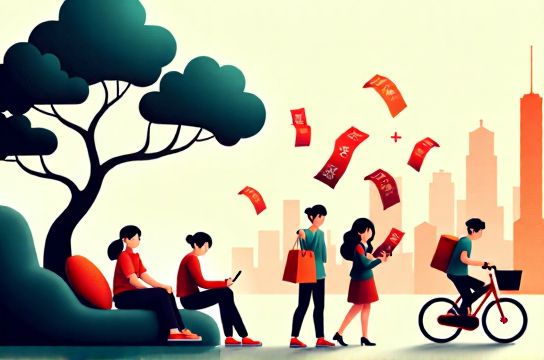
The Rise of 'Tang Ping' (Lying Flat)
'Tang Ping' isn’t laziness—it’s a quiet rebellion. After years of relentless pressure to succeed in a hyper-competitive environment, many young Chinese are opting out of the traditional success ladder. Long work hours (remember '996'? That’s 9 AM to 9 PM, 6 days a week) have sparked burnout, leading to a cultural shift toward minimalism and mental well-being.
A 2023 survey by China Youth Daily found that over 62% of respondents aged 18–35 expressed interest in reducing work commitments for better life balance. This isn’t defeat—it’s a redefinition of success.
Revenge Spending: When Frugality Meets FOMO
But don’t mistake calm for complacency. Enter 'revenge spending'—a surge in consumption after periods of restraint. Post-pandemic, Chinese youth went from saving aggressively to splurging on travel, luxury goods, and niche hobbies like urban camping and vintage fashion.
According to McKinsey, China accounted for 40% of global luxury growth in 2023, with consumers under 35 driving over half of that demand. Platforms like Xiaohongshu (Little Red Book) fuel this trend, blending social influence with shopping in a seamless digital experience.
Youth Employment & The Gig Economy
Job security? Not so much. Official data shows youth unemployment hovered around 14.9% in mid-2023 (National Bureau of Statistics). In response, many are turning to freelance work, livestream selling, or opening small creative businesses.
The gig economy is booming. Over 80 million people in China now work in flexible or platform-based roles, with Douyin (TikTok) creators earning six-figure incomes by selling everything from skincare to poetry courses.
Cultural Identity & Digital Expression
Chinese youth aren’t just consuming culture—they’re creating it. Hanfu (traditional clothing) festivals draw thousands. Indie music scenes thrive on platforms like NetEase Cloud Music. And memes? They’re political satire disguised as humor, often slipping past censors through irony and wordplay.
This generation values authenticity. A 2022 Tencent report revealed that 78% of young users prefer brands that support social causes or reflect personal values.
So What Does This Mean for Understanding Chinese Society?
Simple: today’s youth are navigating a tightrope between tradition and modernity, pressure and peace, conformity and self-expression. Their choices—from opting out of marriage to launching viral startups—reflect deeper societal shifts.
They’re not rejecting ambition. They’re redefining it on their own terms.
Young Chinese Consumer Trends (2023)
| Trend | Key Statistic | Platform Driver |
|---|---|---|
| Lying Flat Movement | 62% interest in work-life balance | Weibo, Zhihu |
| Revenge Spending | 40% of global luxury growth | Xiaohongshu, Taobao |
| Gig Economy Participation | 80 million+ workers | Douyin, Meituan |
| Value-Driven Brand Choices | 78% prefer purpose-led brands | NetEase, Bilibili |
In short, if you want to understand Chinese society, listen to its youth. Their trends aren’t fleeting—they’re forecasts.