
Air Pollution Responses in Chinese Households
- Date:
- Views:304
- Source:The Silk Road Echo
Let’s talk about something every family in China is quietly battling—air pollution. From Beijing’s infamous smog to the hazy skies of Chengdu, poor air quality isn’t just a headline; it’s part of daily life. But how are Chinese households actually responding? Buckle up—we’re diving deep into real behaviors, smart strategies, and surprising stats.
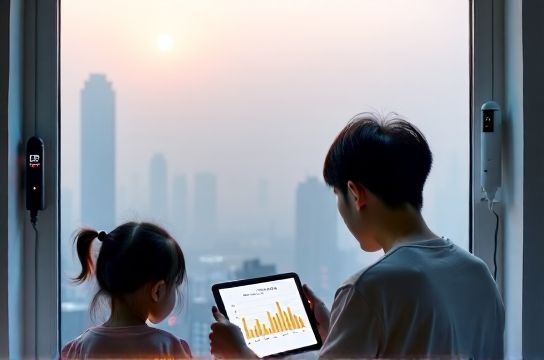
The Reality Hit: Why People Care
According to a 2023 study by Tsinghua University, over 78% of urban households in China now list air quality as a top health concern—above even food safety. With PM2.5 levels in major cities averaging 45–60 μg/m³ (well above WHO’s recommended 10 μg/m³), families aren’t waiting for policy changes—they’re taking action at home.
How Families Are Fighting Back
From high-tech gadgets to old-school habits, here’s what’s really happening behind closed doors:
- Air purifiers? Almost standard now. A 2022 survey found 62% of middle-class homes in Tier-1 cities own at least one.
- Masks on standby? You bet. Sales of N95-style masks spike by 200% during heavy pollution alerts.
- Smart monitoring? Indoor air quality sensors are flying off shelves—up 140% in three years.
Real Data, Real Choices
Check out this snapshot of household responses across different city tiers:
| Action | Tier-1 Cities (%) | Tier-2 Cities (%) | Tier-3 & Below (%) |
|---|---|---|---|
| Owns air purifier | 62 | 45 | 28 |
| Uses face masks outdoors | 79 | 63 | 41 |
| Tracks AQI daily | 54 | 38 | 22 |
| Seals windows during pollution peaks | 81 | 67 | 53 |
Source: National Urban Health Survey, 2022
Behavior Meets Belief
It’s not just about gadgets. Many families blend modern tools with traditional wisdom. Think herbal teas believed to 'cleanse the lungs' or adjusting meal plans to boost immunity. Grandmas swear by luo han guo tea, while millennials trust their Xiaomi air monitor apps. It’s a fascinating mix of science and culture.
The Cost of Clean Air
Going green at home isn’t cheap. The average household spends ¥800–1,500 annually on air-related products—from filter replacements to premium masks. But for parents, it’s non-negotiable. One Shanghai mom put it perfectly: “I can skip a vacation, but not clean air for my child.”
What’s Next?
As awareness grows, so does innovation. Startups are rolling out affordable IAQ (indoor air quality) monitors, and some apartment complexes now integrate central air filtration. Plus, schools in over 15 cities have installed purifiers in classrooms—a sign that change is scaling up.
Bottom line? Chinese households aren’t just surviving polluted air—they’re adapting with smarts, spending, and serious hustle. And honestly? That’s something worth breathing easy about.