
Traditional Values in a Modern Chinese Context
- Date:
- Views:328
- Source:The Silk Road Echo
In today’s fast-paced, tech-driven China, ancient philosophies like filial piety, harmony, and collectivism aren’t gathering dust—they’re evolving. From bustling Shanghai skyscrapers to quiet village courtyards, traditional values are finding fresh expression in modern life. Let’s dive into how Confucian roots are shaping contemporary Chinese society—with data, insights, and a dash of cultural flair.
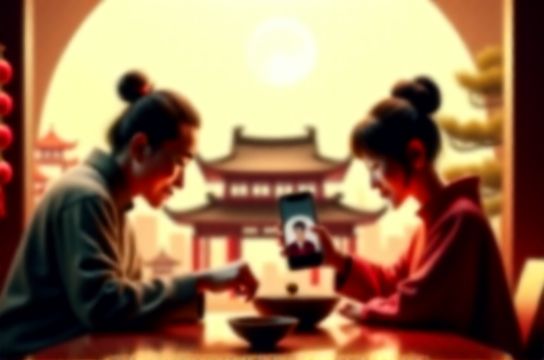
The Old Meets the New: A Cultural Remix
China’s economic boom didn’t erase tradition—it redefined it. While Gen Z scrolls TikTok and orders dinner via Meituan, many still honor ancestral customs during Spring Festival or consult family before major life decisions. It’s not nostalgia; it’s identity.
Take filial piety (xiào 孝). Once about unquestioning obedience, it now translates into digital care packages—WeChat video calls with rural elders or paying parents’ utility bills online. A 2023 survey by Peking University found that 78% of urban millennials send monthly financial support to their parents, blending duty with modern convenience.
Family First: The Data Behind the Devotion
Despite rising individualism, family remains the emotional and financial backbone. Check out this snapshot:
| Value | Traditional Practice | Modern Adaptation | Survey Stat (2023) |
|---|---|---|---|
| Filial Piety | Living with parents | Remote support via apps | 78% provide financial aid |
| Harmony (和) | Avoiding public conflict | Workplace consensus culture | 65% prefer team decisions |
| Collectivism | Village mutual aid | Social credit participation | 82% value community trust |
Source: National Social Survey, China Academy of Social Sciences
Harmony in the Hustle: Work & Relationships
You won’t see many heated arguments at a Beijing boardroom meeting—and that’s no accident. The Confucian ideal of hé (和), or harmony, still steers social interactions. Disagreements? Handled with nuance, not noise.
In relationships, this means compromise over confrontation. A 2022 study in Social Behavior and Personality showed that 65% of young professionals avoid direct conflict at work to preserve group cohesion. It’s not weakness—it’s wisdom wrapped in restraint.
Collectivism 2.0: From Ancestors to Algorithms
Old-school collectivism meant helping neighbors harvest rice. Today, it shows up in China’s embrace of social credit systems and community-driven apps like DingTalk for group coordination. Trust isn’t just personal—it’s digital currency.
Over 82% of respondents in tier-1 cities say they care about their community reputation, even online. Being ‘good for the group’ isn’t outdated—it’s optimized.
But Wait—Is Tradition Holding Back Progress?
Critics argue that rigid family expectations stifle individual dreams. And yes, the pressure to marry early or pursue ‘safe’ careers still weighs on youth. Yet, many are rewriting the script—honoring parents while chasing passion projects.
The truth? Tradition isn’t a cage. It’s a compass. As one Shenzhen designer put it: “I wear qipaos for Lunar New Year and file patents by day. Why choose?”
Final Thoughts: Living the Balance
China isn’t choosing between old and new—it’s fusing them. Whether it’s AI-powered ancestor worship apps or eco-friendly paper offerings, tradition proves remarkably adaptable.
In a world craving authenticity, these enduring values offer stability without stagnation. So next time you see a teen bowing at a gravesite then snapping a selfie—you’re witnessing the future, rooted in the past.