
Second Tier Cities and the New Chinese Dream
- Date:
- Views:316
- Source:The Silk Road Echo
Forget Beijing. Skip Shanghai. The real action in China isn’t happening in the skyscrapers of Tier-1 cities—it’s booming in the vibrant streets of second tier cities like Chengdu, Hangzhou, and Xi’an. These urban hubs are redefining what it means to live well in modern China, offering a fresh take on the Chinese Dream: not just wealth, but balance, culture, and opportunity.
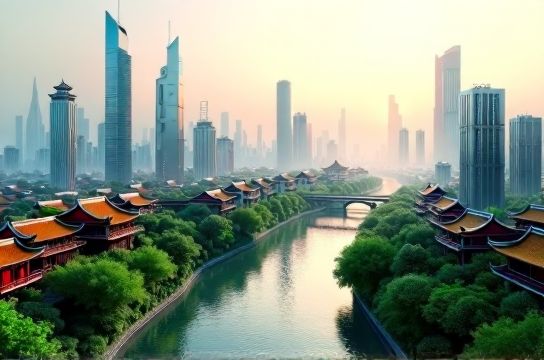
Why the shift? Simple: affordability, innovation, and quality of life. While Tier-1 cities struggle with sky-high rents and soul-crushing commutes, second tier cities deliver competitive salaries with half the stress. Take Chengdu—home to over 20 million people—where tech workers earn 85% of what their Shenzhen peers make… but pay nearly 40% less for rent. That’s breathing room.
The government’s “New Urbanization Plan” is fueling this momentum, pouring billions into infrastructure, public transit, and digital economies outside Beijing and Shanghai. As a result, cities like Wuhan and Chongqing are becoming talent magnets. In 2023 alone, Hangzhou attracted over 65,000 young professionals—a 12% year-on-year increase.
Why Second Tier Cities Are Winning
- Affordable Living: Rent, food, and transport cost significantly less than in Tier-1.
- Growth Jobs: Tech, green energy, and e-commerce hubs are expanding fast.
- Cultural Richness: From Xi’an’s ancient walls to Kunming’s spring-like climate, these cities blend history and modernity.
- Less Congestion: Shorter commutes, greener spaces, and smarter urban planning.
Living Cost Comparison (Monthly Avg., RMB)
| City | Rent (1BR) | Salary (Tech) | Commute Time |
|---|---|---|---|
| Shanghai | 8,500 | 22,000 | 62 min |
| Beijing | 8,200 | 21,500 | 60 min |
| Chengdu | 5,000 | 18,500 | 38 min |
| Hangzhou | 5,800 | 19,000 | 42 min |
| Xi’an | 4,200 | 17,000 | 35 min |
This isn’t just about saving money—it’s about gaining life. Imagine finishing work at 6 p.m., biking through tree-lined avenues, grabbing dumplings from a street vendor, and being home by 7. No subway sardine mode. No 3-hour dinner waits. This is the new normal in China’s rising stars.
Tech isn’t just surviving here—it’s thriving. Chengdu hosts over 300 AI startups. Hangzhou, Alibaba’s backyard, leads in fintech and cloud services. And let’s talk incentives: cities like Nanjing offer relocation bonuses up to 300,000 RMB for STEM graduates. Yes, you read that right.
The cultural perks? Off the charts. Want weekend hikes? Try Qingcheng Mountain near Chengdu. Craving history? Walk the 14-km ancient wall in Xi’an. Love art and cafes? Explore Suzhou’s canals and indie galleries. These cities don’t just work—they inspire.
Of course, challenges remain. International schools and expat communities are smaller. Some healthcare facilities lag behind Shanghai’s standards. But for every trade-off, there’s a gain in authenticity, pace, and possibility.
The message is clear: the future of China isn’t just in its megacities. It’s in the balanced, bold, and beautifully livable second tier cities shaping a more sustainable dream—one where success isn’t measured by skyline height, but by quality of life.