
Celebrity Worship and Social Aspiration in China
- Date:
- Views:316
- Source:The Silk Road Echo
In modern China, celebrity worship isn’t just about fandom—it’s a cultural phenomenon tied to social aspiration, identity, and even economic mobility. From viral TikTok stars to A-list actors like Fan Bingbing and Xiao Zhan, celebrities have become symbols of success, beauty, and upward mobility. But what drives millions of Chinese netizens to follow, idolize, and sometimes financially support these public figures? Let’s dive into the psychology, sociology, and economics behind this trend.
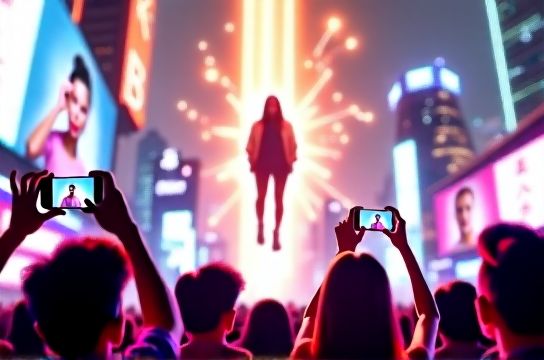
The Rise of Celebrity Culture in China
Over the past two decades, China’s entertainment industry has exploded. With over 900 million internet users and platforms like Weibo, Douyin (TikTok), and Xiaohongshu dominating daily life, celebrities are more accessible than ever. According to iResearch, China’s digital content market reached $34 billion in 2023, fueled largely by influencer marketing and fan economies.
This isn’t just entertainment—it’s aspiration. In a society where traditional paths to success (education, state jobs) feel increasingly rigid, celebrities represent an alternative: fast, glamorous, and self-made.
Why Do People Worship Celebrities?
Psychologists point to several factors:
- Parasocial Relationships: Fans feel deeply connected to idols, often treating them like friends or family.
- Escapism: In a high-pressure environment, following a celebrity offers emotional relief.
- Identity Projection: Fans see their dreams—fame, wealth, confidence—reflected in their idols.
A 2022 survey by Peking University found that 68% of fans aged 15–30 believe their favorite celebrity inspires them to “become better.”
Celebrity Influence on Consumer Behavior
Brands know this power. In fact, celebrity endorsements can boost sales by up to 30%. Take Li Jiaqi, the “Lipstick King,” who sold 150,000 units of a single lipstick in under 5 minutes during a live stream.
| Celebrity | Platform | Net Worth (USD) | Fan Base (Millions) |
|---|---|---|---|
| Xiao Zhan | Weibo / Douyin | 75M | 48.2 |
| Fan Bingbing | 120M | 61.5 | |
| Lisa (from BLACKPINK) | Douyin | 100M | 39.8 |
| Li Jiaqi | Taobao Live | 35M | 72.1 |
As you can see, fan base doesn’t always correlate with net worth—but influence does. Li Jiaqi may earn less than Fan Bingbing, but his real-time sales impact is unmatched.
Social Aspiration: The Deeper Layer
Celebrity worship in China goes beyond admiration—it’s aspirational mimicry. Fans don’t just want to watch their idols; they want to become them. This desire fuels industries from plastic surgery to online courses.
For example, clinics offering “idol-inspired” facial surgeries reported a 40% increase in demand among young adults in 2023. Meanwhile, platforms like Zhihu and Bilibili are packed with tutorials titled “How to Speak Like Wang Yibo” or “Dress Like Yang Mi on a Budget.”
The Dark Side: Obsession and Burnout
But it’s not all glamour. Extreme fandom, known as fensihao (fanatics), has led to cyberbullying, financial strain, and mental health issues. Some fans spend thousands on concert tickets, gifts, or voting campaigns—often at the cost of their well-being.
Authorities have taken notice. In 2021, China cracked down on “toxic fandoms,” banning ranking systems and limiting celebrity-related content for minors.
Conclusion: More Than Just Fame
Celebrity worship in China is a mirror of societal values: ambition, transformation, and the pursuit of a better self. While risks exist, the movement also empowers individuals to dream bigger. As long as the hunger for hope and identity persists, celebrities will remain more than entertainers—they’ll be symbols of possibility.