
Housing Challenges for Youth in Major Chinese Cities
- Date:
- Views:268
- Source:The Silk Road Echo
Let’s talk real talk: trying to find a decent place to live in cities like Beijing, Shanghai, or Shenzhen as a young adult? It’s basically playing adult Tetris—except the blocks are sky-high rents, job instability, and family pressure. Welcome to the housing struggle Olympics, where Gen Z and millennials are just trying to survive without selling a kidney.
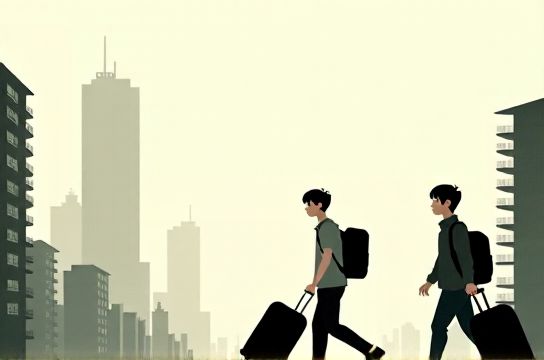
The Rent is Too Damn High (And So Are Home Prices)
In China’s first-tier cities, housing isn’t just expensive—it’s borderline absurd. Take Shanghai: the average monthly rent for a one-bedroom apartment near the city center hovers around ¥8,500 (about $1,200). Meanwhile, the median home price per square meter exceeds ¥60,000. For context, that’s more than many young professionals earn in two months.
But don’t just take our word for it. Check out this snapshot of housing costs across major Chinese cities:
| City | Avg. Rent (1BR, City Center) | Median Price/m² (¥) | Affordability Index* |
|---|---|---|---|
| Beijing | ¥9,200 | ¥72,000 | 42.1 |
| Shanghai | ¥8,500 | ¥68,500 | 40.3 |
| Shenzhen | ¥8,800 | ¥75,000 | 45.6 |
| Guangzhou | ¥6,300 | ¥42,000 | 31.8 |
*Affordability Index = Years needed to buy 100m² apartment on median income
Why Can’t Young People Just Buy Homes?
Glad you asked. First, there’s the down payment. In Shenzhen, buying a modest 80m² apartment means coughing up over ¥6 million upfront. Even with parental help—which let’s be honest, many rely on—the financial burden is crushing. Add in strict mortgage policies and rising interest rates, and homeownership feels less like a milestone and more like a myth.
Then there’s the gig economy reality. More youth are freelancing, switching jobs, or working in startups with unpredictable pay. Banks don’t love that kind of instability when you’re asking for a 30-year loan.
Rentals? Not Exactly a Walk in the Park
Renting sounds easier, right? Not quite. Many young tenants face sketchy landlords, sudden rent hikes, or illegal subletting schemes. A 2023 survey found that over 60% of renters under 30 had experienced unfair lease terms. And forget privacy—some ‘apartments’ are actually converted storage rooms or shared dorm-style units.
Government Fixes: Helpful or Half-Baked?
Cue the policy parade. The Chinese government has rolled out subsidized rental housing and ‘talent apartments’ for graduates. Sounds great! But here’s the catch: demand far outweighs supply. In Beijing, over 200,000 applied for just 5,000 affordable units last year. Good luck!
Still, some cities are stepping up. Chengdu and Hangzhou offer housing subsidies for college grads, while Guangzhou is expanding public rental programs. Progress? Yes. Fast enough? Not even close.
So What’s the Game Plan?
If you’re a young urban dweller, here’s your survival toolkit:
- Roomshare Smartly: Split costs with trusted friends or use verified co-living platforms.
- Look Beyond the Center: Suburbs like Changping (Beijing) or Jiading (Shanghai) offer lower rents—just check commute times.
- Track Subsidies: Register for local talent housing programs—you might qualify without knowing.
- Budget Ruthlessly: Aim to spend no more than 30% of income on rent. Use apps to track every yuan.
Bottom line? The housing crunch for youth in China’s big cities is real, raw, and relentless. But with smart choices and a little hustle, it’s not completely hopeless. Stay sharp, stay informed, and maybe—just maybe—you’ll find a space that feels like home.