
Youth Lifestyle and Values in Today's China Explored
- Date:
- Views:220
- Source:The Silk Road Echo
China’s youth—those born between 1990 and 2010—are redefining what it means to grow up in a hyper-connected, fast-evolving society. With over 300 million young people shaping trends, values, and digital culture, understanding their lifestyle is key to grasping modern China.
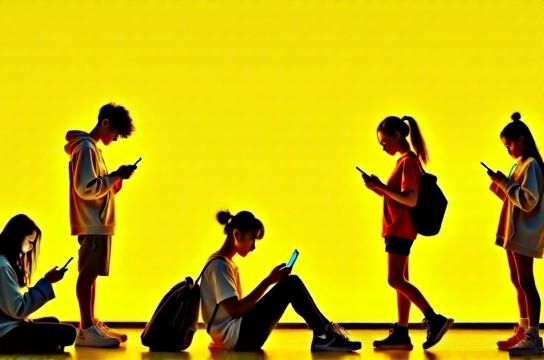
The Digital DNA of Chinese Youth
Growing up with smartphones and super-apps like WeChat and Douyin (China’s TikTok), today’s youth are digital natives. Over 98% of urban youth aged 18–35 use mobile internet daily, spending an average of 3.5 hours on social platforms alone.
But it’s not just about scrolling. They’re creating—posting fashion hauls on Xiaohongshu, live-streaming gaming sessions on Bilibili, or launching micro-businesses via WeChat Mini Programs. For them, online identity is as real as offline.
Values That Drive the Generation
Forget the old stereotype of obedient, exam-focused kids. Today’s Chinese youth value individuality, mental well-being, and work-life balance. A 2023 survey by PwC China found that 67% of young workers prioritize job satisfaction over high salaries—a sharp shift from previous generations.
They're also more open-minded. LGBTQ+ visibility is growing, especially among Gen Z, with 54% supporting same-sex marriage rights (Pew Research, 2022). Environmental awareness is rising too—over 60% actively choose eco-friendly brands.
Work, Hustle, and 'Lying Flat'
The term "tang ping" or “lying flat” went viral a few years ago—and for good reason. Faced with sky-high housing prices, competitive job markets, and the pressure to marry early, many youth are rejecting the traditional 9-to-9 grind.
Instead, they’re seeking flexible gigs, remote jobs, or even minimal living. Freelance platforms like Zhubajie report a 40% increase in users under 30 since 2021. It’s not laziness—it’s a quiet rebellion against burnout.
Consumption: From Gucci to Gree
Chinese youth love to spend—but smarter. While luxury brands still attract attention, there’s a surge in support for domestic brands like Li-Ning, Huawei, and Perfect Diary. Why? National pride and better quality-to-price ratios.
Check out this snapshot of youth spending habits:
| Spending Category | Avg. Monthly Spend (RMB) | Top Platforms Used |
|---|---|---|
| Fashion & Beauty | 860 | Xiaohongshu, Taobao |
| Digital Entertainment | 320 | Bilibili, Tencent Video |
| Travel & Experiences | 750 | Fliggy, Trip.com |
| Health & Wellness | 410 | Keep, JD Health |
Notice how experiences beat material goods? That’s the new status symbol—Instagrammable trips, boutique fitness classes, and limited-edition sneaker drops.
The Future Is Fluid
China’s youth aren’t just following trends—they’re setting them. From blending tradition with tech to redefining success, they’re navigating life on their own terms. Brands, employers, and policymakers who ignore this shift do so at their peril.
In short: if you want to understand where China is headed, start by listening to its youth. They’re loud, proud, and rewriting the rules—one Douyin video at a time.