
Youth Lifestyle in China Decoding Trends Beyond the Headlines
- Date:
- Views:240
- Source:The Silk Road Echo
China's youth aren't just growing up—they're reshaping culture, consumption, and connectivity at lightning speed. Born between 1995 and 2010, Gen Z and young millennials are redefining what it means to be young in modern China. Forget outdated stereotypes; this generation is digital-first, values-driven, and fiercely individual.
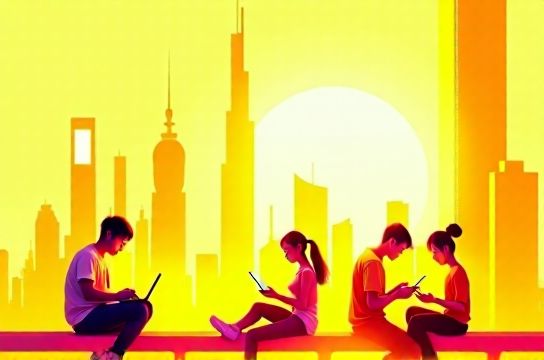
The Digital DNA of Chinese Youth
If there's one thing that defines China’s youth, it’s their seamless integration with tech. With over 98% smartphone penetration among urban youth (CNNIC, 2023), platforms like Xiaohongshu, Douyin, and Bilibili aren’t just apps—they’re lifestyles.
From live-stream shopping to self-expression through short videos, digital spaces serve as both social hubs and marketplaces. In fact, 62% of Gen Z say they’ve bought products directly from influencers on Douyin—proving trust is now currency.
Work, Hustle, and the "Lying Flat" Movement
Amid sky-high education pressure and competitive job markets, a counter-cultural trend has emerged: tang ping, or “lying flat.” It’s not laziness—it’s a quiet rebellion against endless hustle.
Yet paradoxically, many youth still chase success—but on their own terms. A 2023 PwC survey found that 74% prioritize work-life balance over high salaries. Freelancing, side gigs (fengkou), and digital nomadism are rising fast.
| Lifestyle Indicator | Gen Z (18–26) | Millennials (27–40) |
|---|---|---|
| Daily Social Media Use | 3.8 hours | 2.5 hours |
| Monthly Spending on Self-Care | ¥680 | ¥420 |
| Interest in Mental Wellness | 89% | 67% |
| Freelance or Gig Work | 31% | 18% |
Spending Smarter: Values Over Status
Gone are the days when luxury logos ruled. Today’s youth care more about authenticity than brand prestige. They support homegrown labels like Li-Ning and Perfect Diary because they feel Chinese pride—not just product quality.
Sustainability? Big deal. Over 65% check environmental impact before buying clothes (McKinsey, 2023). And yes, second-hand fashion via apps like Plum is booming—especially among college students.
Mental Health & The New Normal
Anxiety, burnout, and academic stress? Yeah, they’re talking about it now. Unlike previous generations, young Chinese are openly discussing mental health. Apps like KnowYourself have gained millions of users, offering therapy access and emotional literacy tools.
This shift reflects deeper change: identity exploration, emotional honesty, and rejecting shame. As one Beijing student put it: “We’re not weak—we’re aware.”
Culture Reboot: From Hanfu to Hip-Hop
Youth culture today is a remix. Traditional meets trendy. You’ll see teens wearing hanfu to school while blasting trap music. Streetwear brands collaborate with ancient opera troupes. Heritage isn’t old—it’s cool again.
Festivals like Wuhan’s Strawberry Music Festival draw massive Gen Z crowds, blending indie rock, rap, and eco-conscious messaging. Culture isn’t inherited—it’s curated.
What This Means for Brands & Society
To connect with China’s youth, brands must be real, responsive, and responsible. Flashy ads don’t cut it. Instead, co-creation, community engagement, and purpose-driven messaging win loyalty.
Meanwhile, policymakers face a delicate balance: supporting innovation while addressing inequality and mental health gaps.
In short, China’s youth aren’t waiting for the future. They’re coding it, styling it, and streaming it—one viral moment at a time.