
Inside China's Social Evolution Young Voices Rise
- Date:
- Views:279
- Source:The Silk Road Echo
In the shadow of skyscrapers and ancient alleyways, a quiet revolution is unfolding across China — not through protests or political upheaval, but through the daily choices, digital expressions, and rising ambitions of its youth. Today’s Chinese millennials and Gen Z aren’t just adapting to change; they’re driving it. From guochao (national trend) fashion to livestream entrepreneurship, young voices are reshaping society from the inside out.
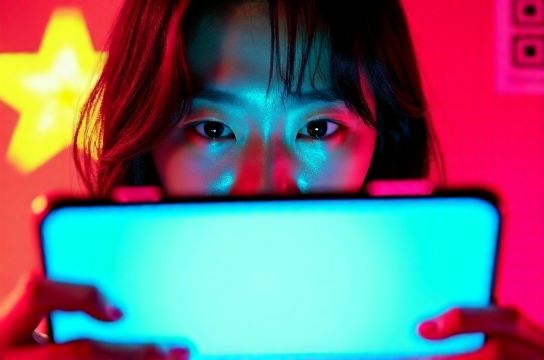
With over 200 million people aged 15–24, China’s youth represent more than just a demographic — they’re a cultural force. According to the National Bureau of Statistics, this group contributes nearly 30% of total domestic consumption, with spending power that fuels everything from tech startups to indie music festivals.
The Digital Playground: Where Identity Meets Influence
Social platforms like Xiaohongshu (Little Red Book), Douyin (TikTok’s Chinese cousin), and Bilibili aren’t just apps — they’re identity labs. Over 75% of urban youth use these platforms daily to explore lifestyles, debate social issues, and even challenge norms — all within the boundaries of regulated space.
Take Bilibili: once a niche anime hub, now a cultural powerhouse with 315 million monthly active users (MAUs), 80% under 30. Its annual 'Bilibili New Year Gala' rivals state media broadcasts in viewership, blending traditional opera with cyberpunk aesthetics — a perfect metaphor for today’s youth: rooted in heritage, racing toward the future.
Work, Life, and the 'Lying Flat' Movement
Faced with sky-high housing prices and intense job competition, many young Chinese have embraced “tang ping” (lying flat) — a quiet refusal to chase endless hustle. A 2023 survey by Peking University found that 42% of recent graduates prioritize work-life balance over high salaries.
But don’t mistake stillness for apathy. This generation isn’t opting out — they’re redefining success. More are launching side gigs: 68% of Gen Z runs at least one micro-business, from handmade jewelry to AI art design, often powered by Douyin livestreams.
| Generation | Primary Platform | Content Focus | % Running Side Hustles |
|---|---|---|---|
| Millennials (born 1990–1999) | WeChat, Weibo | Career, parenting | 54% |
| Gen Z (born 2000–2010) | Douyin, Bilibili | Identity, creativity | 68% |
| Alpha (born 2011+) | Xiaohongshu, Kuaishou | Lifestyle, trends | 39%* |
*Early data, expected to rise as digital access expands.
Guochao: When Patriotism Meets Streetwear
Youth culture isn’t just global — it’s proudly local. The guochao movement has turned brands like Li-Ning and Hanfu fashion labels into status symbols. In 2023, sales of domestic lifestyle brands surged by 40%, while searches for 'Chinese style' on Xiaohongshu hit 1.2 billion.
This isn’t nostalgia — it’s reinvention. Young designers are fusing Ming-era patterns with streetwear cuts, and Confucian philosophy with podcast storytelling. As one Shanghai-based influencer put it: 'We’re not rejecting the West — we’re finally seeing our own culture as cool.'
The Quiet Rebellion: Values Over Conformity
While politics remains off-limits in public discourse, values are shifting beneath the surface. Environmental awareness is up: 71% of youth support carbon neutrality goals. Mental health? Once taboo, now trending — therapy app downloads grew 200% from 2020 to 2023.
And love? Forget arranged marriages. A 2024 Tencent survey revealed that 63% of young adults believe marriage should be based on emotional connection, not family pressure — a seismic shift in a traditionally collectivist society.
So yes, China’s social evolution isn’t loud. It doesn’t need to be. Through pixels, purchases, and personal choices, a new generation is writing its own rules — quietly, confidently, and completely unstoppable.