
Inside the Mind of Urban Youth in Contemporary China
- Date:
- Views:216
- Source:The Silk Road Echo
If you've ever wondered what makes China's urban youth tick, you're not alone. From buzzing metropolises like Shanghai and Shenzhen to the cultural heartbeat of Beijing, young city dwellers in China are redefining identity, ambition, and lifestyle in ways that surprise even their parents.
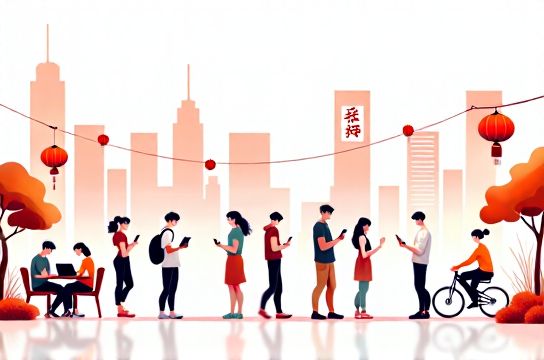
Today’s urban Chinese youth—mostly born between 1995 and 2010—are digital natives who grew up with smartphones, e-commerce, and social media as second nature. They’re not just consumers; they’re curators of experience. And while they carry the weight of high expectations (hello, gaokao pressure), many are pushing back—with quiet rebellion disguised as minimalism, side hustles, or even choosing 'lying flat' (tang ping).
But don’t mistake apathy for lack of ambition. A 2023 survey by iiMedia Research shows that over 68% of urban millennials and Gen Zers in China prioritize work-life balance over high salaries. That’s a seismic shift from the hustle-at-all-costs mindset of previous generations.
The Lifestyle Breakdown: What Matters Now?
Let’s break it down with some real data:
| Value | Percentage of Urban Youth (Ages 18–35) | Main Influences |
|---|---|---|
| Financial Security | 74% | Parental pressure, housing costs |
| Personal Growth | 69% | Social media, self-help content |
| Work-Life Balance | 68% | 'Lying flat' trend, burnout culture |
| Brand Identity | 52% | KOLs, livestream shopping |
| Social Contribution | 45% | Eco-awareness, volunteer trends |
Notice how 'brand identity' still holds strong? It’s not about logo flaunting anymore—it’s about aligning with values. Whether it’s local streetwear brands like BE@RBRICK or eco-conscious labels like Particle Fever, authenticity wins.
Digital Life: WeChat, Xiaohongshu, and the Attention Economy
You can’t understand urban Chinese youth without diving into their digital ecosystem. WeChat isn’t just an app—it’s a lifestyle OS. Meanwhile, Xiaohongshu (Little Red Book) has become the go-to for curated living: think Pinterest meets Instagram with a dash of Yelp.
A staggering 81% of urban youth use Xiaohongshu weekly for lifestyle inspiration, according to QuestMobile. And on Douyin (China’s TikTok), short videos shape everything from fashion choices to travel plans—often in under 15 seconds.
The Paradox of Success
Here’s the twist: while 70% say they want stable jobs (often in tech or finance), nearly half admit to dreaming of creative freedom—music, art, content creation. This tension fuels the rise of the 'slash careerist': coder-by-day, indie musician-by-night.
And let’s talk money. Despite rising incomes, property prices in Tier-1 cities have skyrocketed. The average home price in Shanghai hit ¥68,000 per square meter in 2023. No wonder 60% of young urbanites still live with parents—pragmatism over pride.
What Brands & Society Should Know
This generation doesn’t want to be sold to—they want to belong. They value transparency, community, and subtle cool over loud luxury. Sustainability? Not a buzzword—it’s a filter. Mental health? Finally stepping out of the shadows.
In short, urban youth in China aren’t just navigating change—they’re leading it, one mindful decision at a time.