
Youth Life in China Behind the Term Neijuan and Taoping
- Date:
- Views:276
- Source:The Silk Road Echo
In today’s China, two buzzwords have taken over social media and dinner table conversations: Neijuan (involution) and Taoping (lying flat). These aren’t just slang—they’re cultural reflections of a generation grappling with pressure, expectations, and the search for meaning. Let’s dive into what these terms really mean and how they’re shaping youth life in modern China.
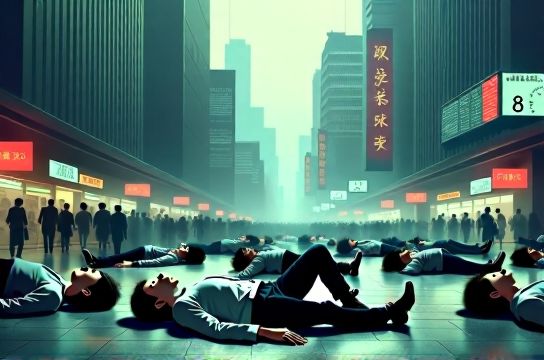
What Is Neijuan? More Work, Less Reward
Imagine running on a treadmill that keeps speeding up—but you’re not going anywhere. That’s neijuan. Originally an academic term describing complex societal stagnation, it now symbolizes endless competition without real progress. Chinese youth face this daily: longer work hours, fierce job markets, and sky-high education costs—all for shrinking returns.
A 2023 survey by Peking University found that 68% of urban professionals under 35 feel trapped in neijuan cycles. From cram schools to 996 work culture (9 AM–9 PM, 6 days a week), the grind is real.
Taoping: The Quiet Rebellion
In response, some are choosing taoping—a passive resistance. It’s not laziness; it’s opting out of the race. Think fewer hours, lower ambitions, more personal peace. As one netizen put it: “I’m not lazy—I’m just refusing to burn out.”
This mindset isn’t about quitting life—it’s about redefining success. Young people are moving to smaller cities, starting low-pressure gigs, or even growing vegetables on balconies. Mental health, once taboo, is now a priority.
The Numbers Don’t Lie
Check out this snapshot of youth sentiment:
| Metric | Data | Source |
|---|---|---|
| Youth Unemployment (16–24) | 14.9% | NBS, Jul 2023 |
| Professionals feeling overworked | 68% | PKU Social Survey |
| Young adults preferring work-life balance over salary | 76% | Zhaopin.com Report |
| Monthly rent in Tier-1 cities (avg) | ¥6,500 (~$900) | Beike Research |
So, What’s Next?
The neijuan-taoping pendulum reveals a deeper truth: young Chinese aren’t rejecting hard work—they’re demanding fairness and fulfillment. Companies like Xiaomi and Alibaba have started piloting 4-day weeks. Meanwhile, local governments offer subsidies for startups in rural areas.
Change is slow, but awareness is growing. As one Gen-Z blogger wrote: “We don’t want to win the rat race. We want to leave the maze.”
In the end, neijuan and taoping aren’t opposites—they’re two sides of a generation reimagining success. And maybe, just maybe, their quiet revolution will reshape China’s future.