
The Gig Economy Boom: How China’s Youth Chase Flexibility Amid Uncertainty
- Date:
- Views:282
- Source:The Silk Road Echo
Let’s be real—traditional 9-to-5 jobs in China? Not what they used to be. More and more young people are ditching office desks and rigid schedules for something way more flexible: the gig economy. From food delivery riders zipping through city streets to freelance designers selling their skills online, China’s youth are rewriting the rules of work—and they’re doing it on their own terms.
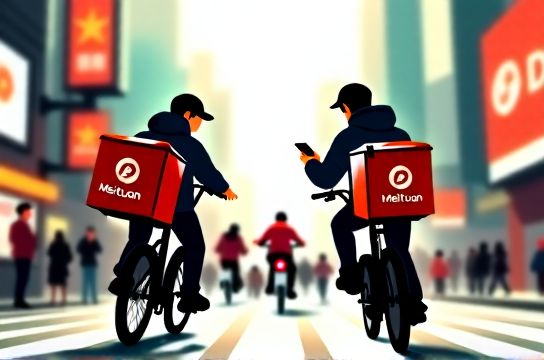
So why the sudden shift? For starters, job security isn’t as guaranteed as it once was. With rising competition, economic slowdowns, and a saturated corporate market, landing that dream white-collar job feels more like a fantasy than a plan. Instead of waiting around, Gen Z and Millennials are saying, 'Screw it, I’ll make my own hustle.' And honestly? It’s working.
Platforms like Meituan, Elema, and Didi have exploded in popularity, not just as side gigs but as full-time careers. Imagine earning cash based on your own schedule—ride someone to work at 8 a.m., take a nap, then deliver dinner by 7 p.m. No boss breathing down your neck, no dress code, just you and your smartphone calling the shots. That kind of freedom is catnip for a generation raised on TikTok and instant gratification.
But it’s not all smooth rides and quick payouts. The gig life comes with serious trade-offs. No health insurance, no paid leave, and zero long-term stability. One bad review or algorithm change can tank your income overnight. Still, for many young workers, that uncertainty beats the soul-crushing grind of a corporate ladder they might never climb.
And let’s talk about passion. A ton of these gig workers aren’t just surviving—they’re thriving creatively. Think livestreamers selling handmade jewelry, tutors teaching English via apps, or influencers building personal brands from their bedrooms. The digital tools are there, the audience is online, and the barrier to entry? Lower than ever.
The Chinese government’s stance is… complicated. On one hand, they recognize gig work as a solution to youth unemployment. On the other, regulating it? That’s still a messy work in progress. Labor rights, social security, platform accountability—these issues are bubbling up, but change is slow.
So where does this leave us? The gig economy in China isn’t a trend—it’s a movement. Young people aren’t just adapting to uncertainty; they’re embracing it. They want control, flexibility, and a shot at building something meaningful—on their own timeline.
Sure, it’s risky. But for a generation tired of playing by old rules that don’t pay off, the gig life isn’t just a backup plan. It’s the new normal.