
Urbanization and Loneliness: How Young Chinese Navigate City Life
- Date:
- Views:291
- Source:The Silk Road Echo
Let’s be real—city life in China today is fast, flashy, and kind of lonely. Skyscrapers rise like bamboo shoots after rain, subways pack in people like sardines, and Wi-Fi? Always strong. But behind all that hustle, a quiet epidemic is growing: loneliness among young Chinese adults.
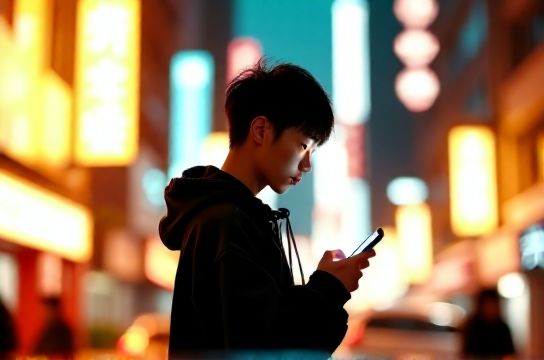
More and more young people are moving from rural towns to mega-cities like Beijing, Shanghai, and Shenzhen, chasing dreams of better jobs, higher pay, and a modern lifestyle. But the dream often comes with a catch—feeling disconnected, isolated, even invisible in a crowd of millions.
Urbanization has transformed China at lightning speed. In just a few decades, hundreds of millions have moved to cities. But while infrastructure evolves quickly, emotional support systems don’t always keep up. Many young workers live far from family, stuck in high-pressure jobs with long hours. The traditional family unit? Hard to maintain when your parents are back home in Hunan and you’re pulling overtime in Pudong.
So how are they coping?
Some turn to tech. Apps like WeChat help them stay in touch, but texting ‘I’m fine’ to Mom doesn’t always replace a home-cooked meal or a hug. Others dive into online communities—gaming clans, fan groups, or voice chat rooms where they can be heard, if only through a headset. For many, these digital spaces become emotional lifelines.
Then there’s the rise of ‘companionship economy’ services. Want someone to eat dinner with? There’s an app for that. Need a fake date for Lunar New Year family pressure? Book one online. It sounds wild, but it reflects a real need: human connection in a system built for productivity, not warmth.
But it’s not all doom and scroll. A growing number of young urbanites are fighting back against loneliness by creating their own communities. Think pop-up cafes, hobby clubs, co-living spaces, or even silent meditation meetups. These aren’t just social events—they’re acts of resistance against the isolating grind of city life.
Mental health awareness is also on the rise. More young people are seeking therapy, talking openly about anxiety, and rejecting the old stigma that said ‘just toughen up.’ Cities are starting to respond, too, with more parks, pet-friendly buildings, and even government-backed mental wellness programs.
Still, the challenge remains. Urban design often prioritizes efficiency over empathy—apartment complexes without shared spaces, offices with no break rooms, neighborhoods where no one knows their neighbor’s name.
The truth is, cities don’t have to feel cold. With smarter planning, stronger community networks, and a little more emotional honesty, urban life can be both dynamic and deeply human.
For China’s youth, it’s not about rejecting the city—it’s about reshaping it into a place where you can chase your dreams *and* still feel at home.