
Youth Life in China Navigating Work and Identity
- Date:
- Views:251
- Source:The Silk Road Echo
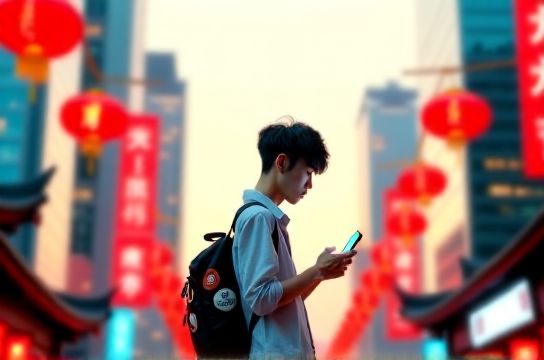
In today’s fast-evolving China, young adults are caught between tradition and modernity, chasing dreams while balancing societal expectations. With over 160 million people aged 15–24, Chinese youth are reshaping work culture, identity, and personal values — one WeChat moment at a time.
The Pressure Cooker of Ambition
From '996' work culture (9 AM to 9 PM, 6 days a week) to the rising popularity of 'tang ping' (lying flat), Chinese millennials and Gen Z are redefining success. A 2023 survey by China Youth Daily found that 68% of urban youth feel 'moderate to extreme stress' from career pressure. Yet, they’re not backing down — they’re recalibrating.
Take tech hubs like Shenzhen and Hangzhou, where startups thrive but burnout looms. Meanwhile, tier-3 cities see a reverse migration as young professionals trade hustle for harmony.
Workplace Realities: By the Numbers
To understand the landscape, let’s break it down:
| Demographic | Avg. Monthly Salary (RMB) | Job Satisfaction (%) | Main Stress Source |
|---|---|---|---|
| Millennials (25–35) | 10,500 | 52% | Workload & Promotion |
| Gen Z (18–24) | 6,800 | 41% | Lack of Purpose |
| Tier-1 Cities | 12,300 | 47% | Housing Costs |
| Tier-3 & Below | 5,900 | 63% | Wage Growth |
Data source: National Bureau of Statistics & Tencent Youth Research Center, 2023.
Finding Identity Beyond the Job Title
For many, identity isn’t just about what you do — it’s about who you are. Enter the rise of side hustles: from livestream selling to indie music on NetEase Cloud, young Chinese are diversifying their self-worth.
Platforms like Xiaohongshu (Little Red Book) have become digital diaries of self-expression. One Gen Z user shared: 'I’m not just an office worker. I’m a poet, a dancer, a dreamer — even if my resume doesn’t say so.'
The Cultural Tightrope
Family expectations remain strong. Over 57% of youth report parental pressure to marry early or land a 'stable' job — think civil service or state-owned enterprises. But more are pushing back, embracing individualism with hashtags like #做自己 (#BeYourself) trending across Weibo.
Still, it’s not rebellion — it’s negotiation. Many blend filial duty with personal goals, like sending money home while pursuing passion projects after hours.
What’s Next?
The future? Flexible. Fluid. Fearless. As remote work expands and mental health gains attention, China’s youth are writing a new narrative — one where work serves life, not the other way around.
So whether they're 'lying flat,' climbing corporate ladders, or building digital empires from their dorm rooms, one thing’s clear: this generation isn’t just surviving. They’re reimagining what it means to be young in China.