
Youth Lifestyle and Modern Social Shifts in China
- Date:
- Views:236
- Source:The Silk Road Echo
In today’s fast-evolving China, the youth aren’t just growing up—they’re reshaping society. From digital natives to career rebels, Gen Z and Millennials are redefining what it means to live, work, and love in a supercharged economy. Let’s dive into how young Chinese are rewriting the rules of lifestyle, values, and social norms.
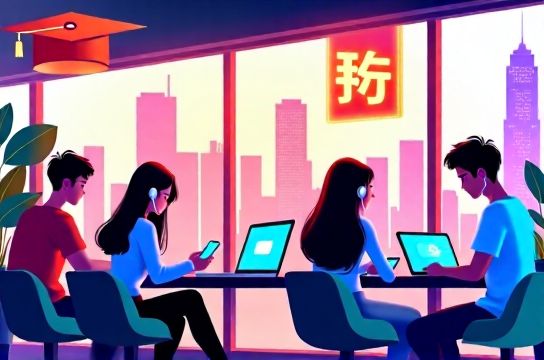
The New Normal: Less Marriage, More Me-Time
Gone are the days when marriage was the golden ticket to adulthood. In 2023, China saw a record low marriage rate—only 4.8 marriages per 1,000 people, down from 7.0 in 2013. Why? Young adults are prioritizing self-development, financial stability, and personal freedom over traditional family roles.
Cities like Shanghai and Shenzhen report the lowest marriage rates, where over 60% of singles aged 25–35 say they’re in no rush to tie the knot. Instead, they're investing in travel, hobbies, and side hustles. Mental well-being is trending—and therapists are becoming as common as baristas.
Digital Life: Where Reality Meets WeChat
If your phone died tomorrow, could you survive? For Chinese youth, that’s not a hypothetical. The average urban millennial spends 3.5 hours daily on social media, with platforms like Xiaohongshu (Little Red Book), Douyin (TikTok), and WeChat dominating their digital diet.
These apps aren’t just for fun—they’re lifestyle guides, job boards, and therapy sessions rolled into one. Want to find a vegan café in Chengdu? A freelance gig in Hangzhou? Or date someone who loves indie films and sourdough baking? There’s an algorithm for that.
| Metric | Value | Year |
|---|---|---|
| Average Daily Social Media Use | 3.5 hours | 2023 |
| Marriage Rate (per 1,000 people) | 4.8 | 2023 |
| Youth Unemployment Rate (16–24) | 14.9% | 2023 |
| Freelancers Among Under-30s | ~22% | 2023 |
The Work Reboot: Escaping the '996' Grind
Remember the '996' culture—9 AM to 9 PM, 6 days a week? Yeah, young workers are done with it. After years of burnout, many are choosing 'quiet quitting', freelancing, or even moving back to smaller cities for a slower pace.
In fact, over 15 million young professionals have relocated from Tier-1 to Tier-2 or Tier-3 cities since 2020. Places like Kunming and Xiamen offer lower rent, cleaner air, and—most importantly—work-life balance. One survey found that 78% of returnees reported higher life satisfaction after the move.
Money Mindset: Financial Anxiety & Smart Spending
Despite earning more than previous generations, youth feel financially squeezed. Housing prices in Beijing and Shanghai can exceed 80 times the average annual income. That’s why many are delaying big purchases and embracing minimalism.
But it’s not all doom-scrolling budgets. Fintech apps like Alipay and WeChat Pay make investing accessible—even pocket change gets put into wealth management tools. And secondhand markets? Huge. Platforms like Xianyu (Idle Fish) host over 100 million listings monthly, proving sustainability sells.
Culture Shift: From Conformity to Authenticity
Today’s youth aren’t chasing face—they’re chasing purpose. Gender norms are blurring, mental health is openly discussed, and individuality is celebrated. Whether it’s men wearing makeup, women choosing child-free lives, or LGBTQ+ visibility rising, authenticity is the new cool.
Brands get it too. From Li-Ning’s streetwear drop to local craft beer bars in Chengdu, companies are aligning with youth values—community, creativity, and conscious consumption.
The Bottom Line
China’s youth aren’t lost—they’re leading. With tech in one hand and tradition in the rearview, they’re building a future that values balance, identity, and meaning. The social shifts we’re seeing aren’t temporary trends; they’re the foundation of a new cultural era.
So if you’re trying to understand modern China, start with its young people. They’re not just living in the future—they’re creating it.