
Inside China's Youth Culture and Societal Shifts
- Date:
- Views:293
- Source:The Silk Road Echo
In the neon-lit streets of Shanghai and the startup hubs of Shenzhen, a cultural earthquake is quietly reshaping China — not from the top down, but from the ground up. Meet Gen Z and millennials in today’s China: digital natives, socially aware, and unafraid to redefine what it means to "succeed." This isn’t your parents’ China. With over 200 million young people aged 15–24, this generation is rewriting societal norms, one Douyin video at a time.
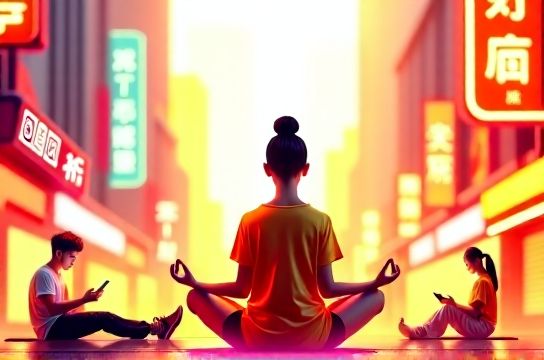
The Rise of 'Lying Flat' and 'Buddha-like Living'
You’ve probably heard of tang ping (躺平), or “lying flat” — the anti-hustle movement that went viral around 2021. It’s not laziness; it’s a quiet rebellion against the 996 work culture (9 AM to 9 PM, 6 days a week). A 2023 survey by Southern Weekly found that 68% of urban youth feel work-life balance is more important than career advancement.
Then there’s foxi (佛系), or “Buddha-like living” — staying emotionally detached from competition. Think less ‘climbing the corporate ladder,’ more ‘chilling with bubble tea and a side of mindfulness.’
Digital Natives Driving Change
China’s youth aren’t just online — they’re shaping culture through platforms like Douyin (TikTok’s Chinese cousin), Xiaohongshu (Little Red Book), and Bilibili. These apps aren’t just for entertainment; they’re identity labs. From gender expression to environmental activism, young users are testing ideas in real time.
Check out this snapshot of youth platform usage:
| Platform | Primary User Age | Monthly Active Users (Youth) | Key Use Case |
|---|---|---|---|
| Douyin | 18–30 | 320 million | Short-form video, trends |
| Xiaohongshu | 18–28 | 120 million | Lifestyle, shopping, reviews |
| Bilibili | 16–25 | 90 million | Anime, education, community |
Values in Transition
Gone are the days when marriage and homeownership were automatic life goals. In 2023, China’s marriage rate hit a record low — just 4.8 per 1,000 people, down from 10+ a decade ago. Among urban youth, over 60% say they’re in no rush to tie the knot.
Why? High housing costs, gender role pressures, and a desire for personal freedom. As one 26-year-old Beijing resident put it: “I’d rather invest in travel than a mortgage.”
The Education Pressure Cooker
Remember the gaokao? The national college entrance exam still looms large, but attitudes are shifting. While academic excellence is respected, burnout is real. A 2022 study found that 75% of high school students report moderate to severe anxiety.
Enter the rise of overseas education and vocational training. More families are exploring alternatives — Germany’s tuition-free universities, Japan’s tech schools, or even creative careers in gaming and design.
So, What’s Next?
China’s youth aren’t rejecting ambition — they’re redefining it. Success now means mental well-being, creative fulfillment, and social impact. Brands, policymakers, and parents are taking note.
This generation may not be shouting slogans, but their choices speak volumes: slower lives, louder values. And as they grow into leadership roles, don’t be surprised if China’s future looks less like a sprint — and more like a mindful walk.