
Inside China's Youth Movement and Lifestyle Shifts
- Date:
- Views:301
- Source:The Silk Road Echo
In recent years, China’s youth culture has undergone a seismic shift — one that’s redefining everything from career paths to lifestyle choices. Forget the 9-to-5 grind; Gen Z in China isn’t just chasing stability, they’re chasing meaning. With over 180 million people aged 15–24, this generation is reshaping urban life, digital trends, and even national economic patterns.
The Rise of 'Tang Ping' and 'Lying Flat'
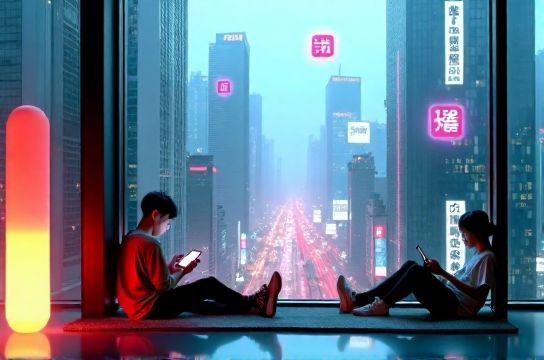
You’ve probably heard of tang ping, or 'lying flat' — a quiet rebellion against relentless hustle culture. It’s not laziness; it’s a conscious rejection of burnout. A 2023 survey by Peking University found that 62% of young adults in first-tier cities feel work-life balance is more important than promotions. This mindset has fueled a surge in freelance gigs, remote work, and digital nomadism, especially in cities like Chengdu and Xiamen.
Digital Natives Driving Change
China’s youth spend an average of 3.5 hours daily on social platforms like Xiaohongshu (Little Red Book) and Douyin (TikTok). These aren’t just for entertainment — they’re lifestyle blueprints. From minimalist living to secondhand fashion, these platforms amplify sustainable, low-consumption values. In fact, resale app Plum saw a 78% YoY growth in users under 25 in 2023.
Career Reimagined: Passion Over Prestige
Gone are the days when every graduate aimed for state-owned enterprises or tech giants. Now, 41% of Chinese millennials would rather start a small café, open a pottery studio, or launch a content channel. The gig economy now supports over 200 million workers, with youth making up nearly half.
Lifestyle Preferences at a Glance
| Preference | Youth (15–24) | National Average |
|---|---|---|
| Mental Health Priority | 68% | 43% |
| Remote Work Preference | 57% | 32% |
| Secondhand Shopping | 52% | 28% |
| Plant-Based Diet Interest | 45% | 19% |
Urban Migration Trends
While Beijing and Shanghai still attract talent, younger workers are increasingly choosing 'second-tier' cities. Why? Lower rent, greener spaces, and better quality of life. Take Hangzhou: its youth population grew by 12% from 2021–2023, thanks to strong internet infrastructure and startup incentives.
The Mental Wellness Wave
Anxiety and depression rates among Chinese youth have risen — but so has awareness. Apps like KnowYourself have over 10 million active users under 30. Schools and companies are integrating mental health programs, marking a cultural pivot toward emotional well-being.
Conclusion: Quiet Revolution, Loud Impact
China’s youth aren’t dropping out — they’re opting in to a different game. Whether it’s embracing slow living, prioritizing mental health, or redefining success, their choices are creating ripple effects across society. This isn’t a trend; it’s a transformation.