
Inside China's Social Phenomena and Youth Movements
- Date:
- Views:236
- Source:The Silk Road Echo
In recent years, China has seen a wave of social phenomena driven by its youth—a generation shaped by rapid digitalization, economic shifts, and cultural evolution. From the "lying flat" (躺平) movement to the rise of guochao (国潮, national trend), young Chinese are redefining success, identity, and resistance in subtle yet powerful ways.
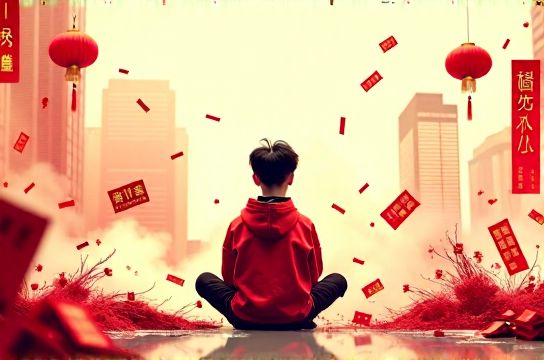
The so-called 'post-90s' and 'post-00s' generations aren’t just passive consumers—they’re cultural architects. Take the "lying flat" trend: it’s not laziness, but a quiet rebellion against the grind culture. A 2023 survey by Peking University found that over 62% of urban youth feel work-life balance is more important than career advancement—up from just 38% in 2018.
The Rise of Guochao: National Pride Meets Streetwear
Meanwhile, guochao brands like Li-Ning, Shein, and Huaxizi are dominating both domestic and global markets. These brands blend traditional Chinese aesthetics with modern design, resonating deeply with Gen Z.
| Brand | Year Founded | 2023 Revenue (USD) | Youth Popularity Index* |
|---|---|---|---|
| Li-Ning | 1990 | $4.2B | 8.7/10 |
| Shein | 2008 | $30B | 9.1/10 |
| Huaxizi (Makeup) | 2017 | $1.5B | 8.9/10 |
*Based on Tencent Youth Culture Report 2023
What’s driving this? It’s patriotism wrapped in cool. Over 76% of Chinese youth say they prefer domestic brands that reflect Chinese heritage—compared to just 45% in 2015.
Digital Activism & Meme Culture
Young people aren’t marching in streets—they’re protesting in pixels. Online slang like "involution" (内卷) and "tang ping" (躺平) have become viral metaphors for societal pressure. On platforms like Bilibili and Little Red Book, users share satirical videos, animated skits, and poetic rants that critique everything from housing prices to parental expectations.
Bilibili alone sees over 280 million monthly active users, with 80% under 30. It’s not just entertainment—it’s a digital town square.
The Quiet Rebellion: Why It Matters
This isn’t revolution—it’s redefinition. Chinese youth aren’t rejecting society; they’re reshaping it on their terms. Whether through fashion, language, or lifestyle choices, they’re carving out space for authenticity in a high-pressure world.
And brands? They’re paying attention. International companies now localize aggressively—Nike launched a Confucius-inspired sneaker line, while Starbucks introduced mooncake lattes. The message is clear: to win China’s youth, you must speak their cultural language.
So what’s next? Expect more hybrid identities, digital-native movements, and a continued push for meaning over materialism. As one Bilibili user put it: "We’re not lying down—we’re just choosing which race to run."