
Inside China's Youth Movement and Cultural Shifts
- Date:
- Views:264
- Source:The Silk Road Echo
China’s youth aren’t just scrolling TikTok or binge-watching dramas—they’re quietly reshaping culture, values, and even the economy. Born after 1990, especially the post-95s and post-00s generations, are redefining what it means to be young in a rapidly evolving society. From 'lying flat' to 'involution,' these buzzwords aren’t just internet slang—they reflect deep social currents.
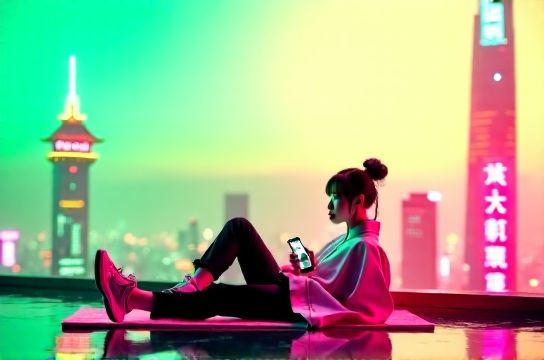
The Rise of 'Tang Ping' (Lying Flat)
'Tang Ping' emerged around 2021 as a quiet rebellion against relentless work culture. It’s not laziness—it’s a conscious choice to opt out of the rat race. Young professionals, burnt out by 996 work schedules (9 AM–9 PM, 6 days a week), are choosing minimalism, part-time gigs, or returning to rural life.
Data shows impact: a 2023 survey by China Youth Daily found that 43% of urban millennials consider reducing work hours even at lower pay. Meanwhile, job-hopping frequency has surged—Gen Z changes jobs every 1.7 years on average, compared to 3.5 years for Gen X.
Cultural Identity & National Pride
Today’s Chinese youth blend global trends with strong national pride. They wear Hanfu (traditional clothing) on weekends, support domestic brands like Li-Ning and Huawei, and celebrate festivals with renewed enthusiasm. This 'guochao' (national wave) movement isn’t just fashion—it’s identity.
Sales data speaks volumes:
| Brand | YoY Growth (2023) | Youth Market Share |
|---|---|---|
| Li-Ning | 28% | 34% |
| Anta | 22% | 29% |
| Nike (China) | 8% | 21% |
| Adidas (China) | 3% | 15% |
As one Beijing college student put it: “Wearing Li-Ning feels like wearing confidence.”
Digital Natives Driving Change
With 95% of Chinese youth online daily, digital platforms shape their worldview. Bilibili, Xiaohongshu, and Douyin aren’t just apps—they’re cultural hubs. On Bilibili, videos about traditional crafts, philosophy, and indie music rack up millions of views.
Take the 'New Literati' trend—urban youth studying calligraphy, tea ceremonies, and classical poetry. It’s not nostalgia; it’s a search for meaning in a hyper-modern world.
Economic Pressures & Mental Health
Despite optimism, challenges loom. Housing prices in Tier-1 cities exceed 30 times the average annual income. A 2024 Peking University study found 27% of college students show signs of depression—double the rate in 2015.
Yet, this generation is vocal. Online forums buzz with discussions on work-life balance, gender equality, and mental wellness. The government has responded with youth employment programs and expanded psychological services on campuses.
What’s Next?
China’s youth are neither rebels nor conformists—they’re reinterpreters. They embrace tradition without rejecting modernity, seek success on their own terms, and value well-being over wealth. As they enter leadership roles, expect more humane workplaces, eco-conscious consumerism, and a cultural renaissance rooted in authenticity.
In short: don’t underestimate the quiet revolution happening among China’s young. They’re not lying down—they’re rising, one mindful step at a time.