
Inside the Mind of Urban Chinese Young Professionals
- Date:
- Views:242
- Source:The Silk Road Echo
If you've ever wondered what keeps urban Chinese young professionals up at night—spoiler: it's not just spicy Sichuan hotpot—you're in the right place. We’re diving deep into the psyche of China’s fast-paced, tech-savvy, ambition-fueled youth shaping cities like Beijing, Shanghai, and Shenzhen.
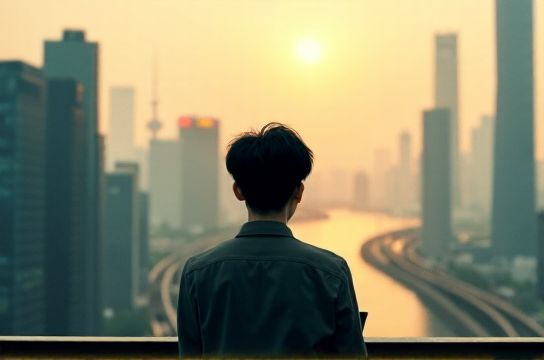
These aren’t your average 9-to-5ers. They’re digital natives, often born post-1990, navigating a world where work-life balance is more myth than reality, yet personal growth and financial freedom remain top priorities.
According to a 2023 McKinsey report, over 68% of urban Chinese millennials and Gen Z professionals say career advancement is their primary life goal. But here’s the twist: they’re also the most stressed demographic in Asia, with 57% reporting chronic anxiety (source: China Mental Health Association).
The Daily Grind: A Snapshot
Let’s break it down. Here’s a typical weekday for a 28-year-old marketing manager in Shanghai:
| Time | Activity | Platform/App Used |
|---|---|---|
| 7:00 AM | Check WeChat & work messages | WeChat, DingTalk |
| 8:30 AM | Commute via subway (scrolls Douyin) | Douyin (TikTok) |
| 9:30 AM - 6:00 PM | Office work + lunch meetings | Alipay, Meituan, Pinduoduo |
| 7:30 PM | Gym or online fitness class | Keep App |
| 9:00 PM | Online learning (English or coding) | Bilibili, Zuoyebang |
| 11:00 PM | Wind down with short videos | Kuaishou, Xiaohongshu |
Notice a pattern? Hyper-connected, always optimizing, rarely offline. These professionals live on apps that blend social, shopping, and self-improvement into one seamless (and exhausting) experience.
Values That Drive Decisions
Money? Yes. Status? Absolutely. But it’s not just about luxury bags or flashy cars. For this generation, success is measured in flexibility, recognition, and upward mobility.
- 74% would take a pay cut for a job with better work-life balance (PwC China Survey, 2024).
- 61% are actively investing in stocks, funds, or crypto—often through apps like Ant Fortune.
- “Sobriety trend” is rising: more are rejecting “involution” (endless competition) for minimalist lifestyles.
The Hidden Tension: Family vs. Freedom
Here’s where it gets real. While chasing dreams in megacities, many face pressure to marry early, buy property, and care for aging parents. Over 40% of urban professionals aged 25–35 feel torn between personal goals and family expectations.
Yet, they’re redefining norms. Cohabitation without marriage? More accepted. Delaying kids until 35? Common. Choosing pets over children? Trending hard on Xiaohongshu (#PetParenthood has 2.3M posts).
What Brands Should Know
If you’re marketing to this crowd, forget flashy ads. They crave authenticity, community, and value-driven content. Think:
- User-generated reviews over celebrity endorsements.
- Sustainability claims backed by data.
- Products that save time or boost efficiency (hello, smart home gadgets).
In short, urban Chinese young professionals aren’t just consumers—they’re curators of a lifestyle built on hustle, hope, and quiet rebellion against tradition.