
Inside China's Youth Subcultures and Social Changes
- Date:
- Views:282
- Source:The Silk Road Echo
In the neon-lit streets of Shanghai and the hipster cafés of Chengdu, a cultural revolution is quietly unfolding. China's youth aren't just following trends—they're creating them. From streetwear to digital activism, Gen Z and Millennials are reshaping identity, expression, and social norms in ways that surprise even the most seasoned observers.
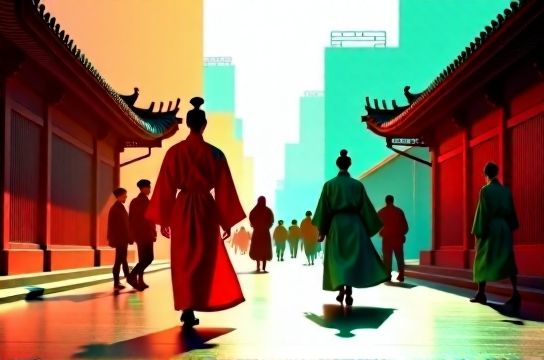
Gone are the days when conformity ruled. Today, over 68% of Chinese youth aged 15–30 identify with at least one subculture, according to a 2023 Tencent Youth Culture Report. Whether it's the gender-fluid aesthetics of the 'Xiao Xian Rou' (Little Fresh Meat) phenomenon or the DIY punk ethos of underground music scenes in Beijing, young people are using style, sound, and social media to say: We are not your parents' generation.
The Rise of Digital Tribes
China's internet is a playground for subcultural expression. Platforms like Bilibili and Douyin have become breeding grounds for niche communities. Take 'Hanfu revivalists,' for example—young fans of traditional Han Chinese clothing who've turned historical fashion into a modern movement. Over 3 million users now post Hanfu content monthly on Xiaohongshu alone.
Then there's the 'Lie Flat' (Tang Ping) generation, rejecting the relentless grind of urban life. A 2022 Peking University survey found that 42% of respondents under 28 admitted to adopting some form of low-effort lifestyle to cope with pressure. It's not laziness—it's resistance.
Culture Clash & Creative Fusion
But it's not all rebellion. Many youth subcultures blend tradition with global influences. Streetwear brands like BE@RBRICK and CLOT collaborate with local artists, merging Eastern symbolism with Western sneaker culture. Meanwhile, queer collectives in Guangzhou use art exhibitions to challenge norms, despite limited legal protections.
Music is another frontier. The rise of Chinese hip-hop, once censored and suppressed, now thrives in underground clubs and livestreams. According to iQIYI Music Data, indie rock and rap streams among users 18–24 grew by 76% from 2021 to 2023.
Youth Subcultures at a Glance (2023)
| Subculture | Estimated Followers (Millions) | Main Platform | Key Values |
|---|---|---|---|
| Hanfu Enthusiasts | 4.2 | Xiaohongshu | Tradition, Identity, Aesthetics |
| Lie Flat Movement | 6.8 | Weibo, Douban | Anti-hustle, Minimalism, Mental Health |
| Urban Hip-Hop | 3.5 | Douyin, iQIYI | Self-expression, Resistance, Creativity |
| Digital Queer Activists | 1.9 | Bilibili, WeChat Groups | Inclusion, Visibility, Solidarity |
This isn't just about fashion or music—it's about autonomy. As sociologist Li Yinhe notes, 'Young people are no longer waiting for permission to exist.' They’re building communities where emotional honesty, individuality, and creativity matter more than status or salary.
Yet challenges remain. Government scrutiny, family expectations, and economic uncertainty create tension. But rather than retreat, many choose subtle defiance: wearing a queer pride pin inside their collar, sharing coded memes, or organizing pop-up art shows under the radar.
In the end, China’s youth subcultures aren’t just fleeting trends. They’re a mirror reflecting deeper shifts in values, identity, and hope. As one 22-year-old tattoo artist in Hangzhou told us: 'We’re not breaking rules. We’re writing new ones.'