
Elder Care in Crisis: Aging Society Meets Shrinking Families
- Date:
- Views:224
- Source:The Silk Road Echo
Let’s talk about something we don’t chat about enough—what happens when our parents and grandparents need help, but there’s no one left to give it? Sounds dramatic, right? But it’s real. Across the globe, we’re living longer. That’s awesome! But here’s the catch: families are getting smaller, people are having fewer kids, and more of us are living alone. So who takes care of Mom or Dad when they can’t take care of themselves?
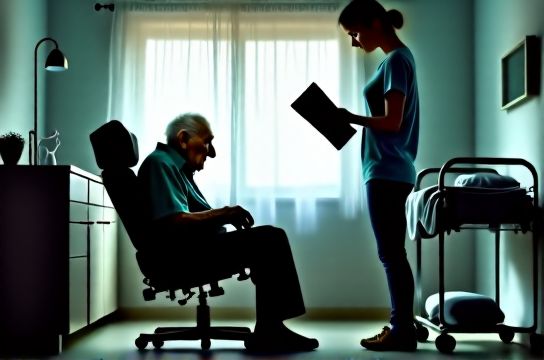
We’re in the middle of an elder care crisis—and it’s only getting worse. Think about it: back in the day, three or four generations lived under one roof. Grandma cooked, grandpa told stories, and everyone looked out for each other. Now? It’s just you, your partner, maybe one kid, and your aging parents living miles away. No backup. No built-in support system.
This isn’t just a 'family problem'—it’s a societal time bomb. In countries like Japan, Italy, and even parts of the U.S., the number of seniors is skyrocketing while birth rates plummet. By 2050, one in six people worldwide will be over 65. Meanwhile, the pool of potential caregivers—usually adult children—is shrinking fast.
And let’s be honest: caregiving is hard. It’s emotional, exhausting, and often unpaid. Many working adults are stuck between raising kids, holding down jobs, and helping aging parents. We call them the 'sandwich generation,' and they’re stressed out, burned out, and running on empty.
So what’s the fix? We can’t just expect families to figure it out on their own. Governments need to step up with better funding for home care, affordable senior housing, and paid family leave. Tech can help too—remote monitoring, AI assistants, telehealth—but it’s not a hug. Humans need human touch.
Communities have to get creative. What if neighborhoods organized volunteer check-ins? Or trained young people to assist elders in exchange for housing? Imagine intergenerational living spaces where college students live with seniors—free rent for companionship and light help. Win-win!
The truth is, how we treat our older adults says everything about who we are as a society. If we ignore this crisis now, we’ll all pay later—emotionally, financially, morally. So let’s stop pretending it’s someone else’s problem. Whether you’re 25 or 75, elder care affects you. Let’s start talking, planning, and caring—together.