
Youth Life in Modern China Navigating Pressure and Hope
- Date:
- Views:294
- Source:The Silk Road Echo
In today’s fast-evolving China, young people are caught between soaring expectations and quiet dreams. From the hustle of tier-1 cities to the quiet resilience in rural towns, Chinese youth are redefining what it means to grow up in the world’s second-largest economy — under pressure, yet full of hope.
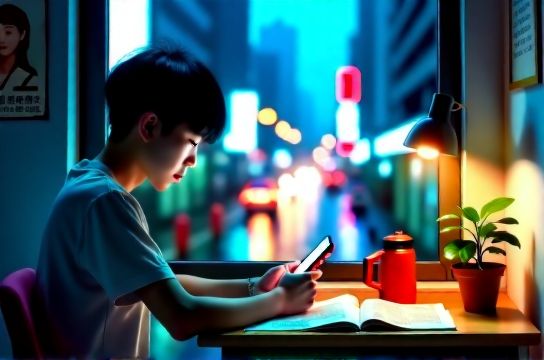
The Weight of Expectations
Imagine this: a 23-year-old fresh out of university, staring at 300 job applications sent with no replies. That’s not rare — it’s reality for many. In 2023, China hit a record high in youth unemployment, peaking at 21.3% for those aged 16–24, according to the National Bureau of Statistics. Even though official reporting has since changed, the pressure remains real.
Why? The answer lies in a mix of fierce competition, rising education costs, and societal demands. The infamous gaokao (college entrance exam) isn’t just a test — it’s a life-defining battle. Over 12 million students took it in 2023 alone, hoping to land a spot in top-tier universities. But even graduation doesn’t guarantee stability.
Work-Life Balance? More Like Work-Life Blur
In cities like Beijing and Shanghai, the '996' work culture — 9 AM to 9 PM, 6 days a week — still lingers in tech and finance sectors. A 2022 survey by Zhaopin showed that over 65% of young professionals feel chronically stressed, with work-life balance ranking as their top concern.
Yet, there’s a quiet rebellion brewing. More Gen Z workers are saying 'no' to burnout. Terms like tang ping (lying flat) and neijuan (involution) have gone viral, symbolizing resistance against endless competition. It’s not laziness — it’s self-preservation.
But Hope Isn’t Lost
Beneath the stress, there’s creativity, ambition, and innovation. Take the rise of the gig economy: from Douyin (TikTok) creators to freelance coders, over 200 million young Chinese are now part of the digital workforce. E-commerce platforms like Pinduoduo and Xiaohongshu have turned side hustles into full-time incomes.
And education? It’s shifting. Coding bootcamps, online courses, and vocational training are gaining traction. The government’s 'Dual Vocational Education' policy aims to boost skilled labor, recognizing that not every dream fits a white-collar mold.
Youth in Numbers: A Snapshot (2023)
| Metric | Data | Source |
|---|---|---|
| Youth Unemployment Rate (16–24) | 21.3% (peak) | NBS |
| Annual Gaokao Participants | 12.91 million | Ministry of Education |
| Gen Z in Gig Economy | ~45% | McKinsey China Report |
| Top Life Goal (ages 18–25) | Financial Stability | Pew Research |
| Daily Screen Time (mobile) | 3.7 hours | iResearch |
Culture & Identity: Redefining Success
Young Chinese aren’t just chasing money — they’re searching for meaning. Mental health awareness is growing; apps like KnowYourself have millions of users discussing anxiety, identity, and relationships openly.
At the same time, there’s a cultural revival. Hanfu fashion, traditional tea ceremonies, and indie music rooted in Chinese heritage are booming among youth. It’s a blend of pride and personal expression.
The Road Ahead
The journey isn’t easy. Economic uncertainty, housing prices, and social pressures weigh heavily. But this generation is more connected, informed, and adaptable than any before. They’re not just surviving — they’re reshaping norms.
So, is youth life in modern China tough? Absolutely. But within that struggle lies resilience, creativity, and a quiet kind of hope — the kind that builds futures one small step at a time.