
Youth Lifestyle in China Decoding Post-90s Mindset
- Date:
- Views:275
- Source:The Silk Road Echo
If you're trying to understand modern China, start with the post-90s generation — those born between 1990 and 1999. They’re not just young adults; they’re digital natives, economic drivers, and cultural trendsetters shaping the nation’s future. With over 160 million people in this cohort, their lifestyle choices ripple across industries from fashion to finance.
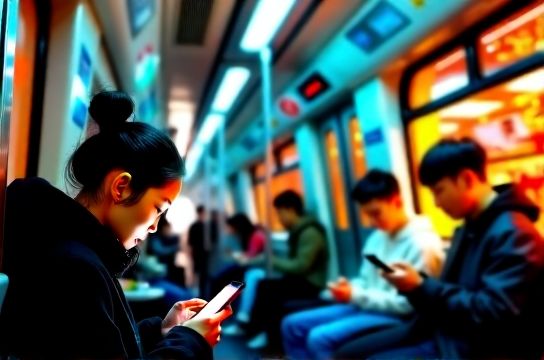
Digital DNA: Grew Up With Smartphones
Unlike previous generations, post-90s Chinese youth entered adulthood during a tech boom. According to CNNIC (2023), 98% own smartphones, and they spend an average of 3.5 hours daily on social media. Platforms like Xiaohongshu (Little Red Book) and Douyin (TikTok) aren’t just for entertainment — they’re shopping guides, identity stages, and even job boards.
Work-Life Balance? More Like Work-Life Blending
Gone are the days of lifelong loyalty to one company. A 2023 survey by智联招聘 (Zhaopin) found that 67% of post-90s workers switch jobs within two years. Why? They value purpose over paychecks. Mental health, flexibility, and personal growth rank higher than salary for 58% of them.
| Value | Post-90s Priority (%) |
|---|---|
| Work Flexibility | 72% |
| Mental Well-being | 64% |
| Salary | 58% |
| Job Security | 49% |
| Brand Prestige | 36% |
This mindset fuels the rise of side hustles. From freelance design to livestream selling, nearly 1 in 3 post-90s have a secondary income stream.
Spending Smarter, Not Harder
They’re called the 'Me Generation' — but it’s not about vanity. Their spending reflects self-investment. A PwC report shows that post-90s allocate:
• 32% to education & self-improvement
• 28% to travel & experiences
• 20% to health & wellness
Only 15% go to luxury brands, debunking the myth that they blindly chase foreign labels.
Social Attitudes: Open-Minded but Pressured
While globally influenced, they face intense societal pressure. The term 'involution' (neijuan) went viral among youth describing burnout from endless competition. Yet, they’re redefining success. Marriage rates among post-90s dropped to 4.8‰ in 2022 (down from 7.2‰ in 2013), signaling a shift toward independence.
Gender roles are evolving too. Over 60% support equal household responsibilities, and women increasingly pursue careers in STEM and entrepreneurship.
Cultural Identity: East Meets West
They love K-pop and Marvel movies, but also embrace guochao (国潮) — homegrown brands with traditional flair. Think Li-Ning sneakers with Hanfu patterns or floral tea brand Chagee going viral on Douyin. In 2023, guochao sales grew by 25% YoY, proving patriotism can be stylish.
The Bottom Line
The post-90s aren’t rebels without a cause — they’re realists with dreams. Tech-savvy, values-driven, and culturally fluid, they’re reshaping China’s social fabric one WeChat moment at a time. Brands, employers, and policymakers ignore them at their peril.