
Inside China's Youth Subcultures and Urban Life
- Date:
- Views:269
- Source:The Silk Road Echo
China’s youth aren’t just following trends—they’re creating them. From underground hip-hop in Chengdu to digital nomads in Shanghai co-working spaces, young urban Chinese are reshaping city life with bold self-expression and tech-savvy creativity.
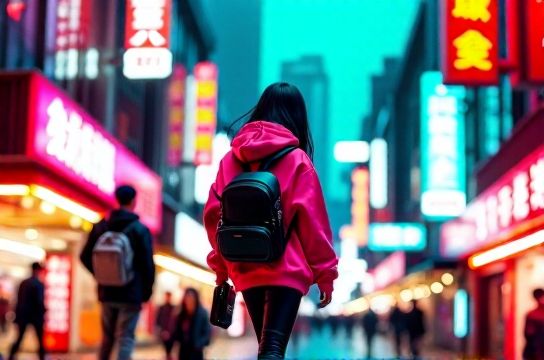
Gone are the days when conformity ruled. Today’s Gen Z (born 1997–2012) makes up over 210 million people in China—about 15% of the population—and they’re driving cultural shifts faster than any generation before. They blend tradition with rebellion, using platforms like Xiaohongshu and Bilibili to build communities around niche interests.
The Rise of Urban Subcultures
In cities like Beijing, Guangzhou, and Hangzhou, subcultures thrive beneath the skyscrapers. Whether it’s guochao (national trend) fashion mixing Hanfu elements with streetwear or DIY punk bands playing in hidden basements, identity is no longer inherited—it’s crafted.
Take esports fans: over 500 million people in China watch or play competitive gaming, according to iiMedia Research. For many, being a 'fan' means more than cheering—it’s cosplay, fan fiction, and even attending live tournaments that sell out arenas in minutes.
Youth-Driven Lifestyles in Major Cities
Urban life has become a playground for experimentation. In Shanghai, ‘lying flat’ (tang ping) isn’t laziness—it’s a quiet resistance against burnout. Young professionals opt for minimal workloads, small apartments, and curated leisure. Meanwhile, in Shenzhen, hustle culture reigns with startup founders launching apps by age 22.
Rent? Sky-high. But creativity soars. Co-living spaces double as art galleries. Pop-up markets buzz every weekend, selling handmade jewelry, indie zines, and bubble tea with a twist—like black sugar oolong with salted cream.
| City | Dominant Youth Trend | Avg. Monthly Rent (1BR) | Youth Population (Ages 18–35) |
|---|---|---|---|
| Beijing | Art & Indie Music Scene | ¥6,800 | ≈ 6.2 million |
| Shanghai | Minimalist Living + Café Culture | ¥7,500 | ≈ 7.1 million |
| Chengdu | Hip-Hop & Slow Living | ¥3,200 | ≈ 5.8 million |
| Shenzhen | Tech Startups & Innovation Hubs | ¥6,000 | ≈ 6.5 million |
This isn’t just lifestyle—it’s ideology. With intense academic pressure and sky-high expectations, many youth seek balance through micro-rebellions: skipping weddings, rejecting 996 work hours, or embracing pet parenthood over having kids.
Digital Identity & Community Building
Bilibili, with over 300 million monthly active users under 30, is the heartbeat of youth culture. Here, you’ll find dance covers of anime themes, deep dives into retro video games, or debates on gender roles—all framed with memes and irony.
Social media isn’t just for sharing—it’s for belonging. A single hashtag like #CityWalk can spark thousands of posts of young people exploring old neighborhoods on foot, rediscovering heritage through street food and alleyway murals.
Brands get it. Local labels like Li-Ning and Bosideng now dominate malls once ruled by Nike and Canada Goose. Why? Because today’s youth want pride, not just products.
In short, China’s urban youth aren’t waiting for permission. They’re coding apps, rapping in Sichuan dialect, and turning rooftops into gardens. The future isn’t coming—it’s already vibing in Chengdu basements and Shanghai cafés.