
Youth Lifestyle and Social Change in Urban China
- Date:
- Views:309
- Source:The Silk Road Echo
In today’s fast-paced urban China, the youth aren’t just growing up—they’re reshaping society. From buzzing metropolises like Shanghai and Shenzhen to the creative hubs of Chengdu and Hangzhou, young Chinese are redefining what it means to live, work, and connect. Forget the old stereotypes: this generation is tech-savvy, socially aware, and unafraid to challenge tradition.
The New Urban Pulse: What Drives China’s Youth?
China’s urban youth—roughly aged 18 to 35—are caught between legacy expectations and modern aspirations. While their parents valued stability and conformity, Gen Z and Millennials prioritize self-expression, mental well-being, and flexible lifestyles. According to a 2023 survey by China Youth Daily, over 68% of urban youth would trade a high-paying job for better work-life balance.
This shift isn’t just cultural—it’s economic. With rising education levels and digital access, young people now have more choices than ever. E-commerce, remote gigs, and influencer careers are no longer side hustles; they’re legitimate paths. Platforms like Xiaohongshu (Little Red Book) and Douyin (TikTok) aren’t just apps—they’re launchpads for personal brands.
Living the City Life: Trends That Define a Generation
Urban living in China has evolved beyond cramped apartments and long commutes. Today’s youth seek 'micro-luxuries'—think artisan coffee, co-living spaces, and weekend wellness retreats. They’re also leading the charge in sustainability, with 57% saying they actively reduce plastic use (source: McKinsey & Company, 2022).
But it’s not all smooth scrolling. High housing prices and intense job competition create real stress. In Beijing, the average home price is over ¥60,000 per square meter—forcing many to delay marriage or live with parents well into their late 20s.
Digital Natives, Real-World Impact
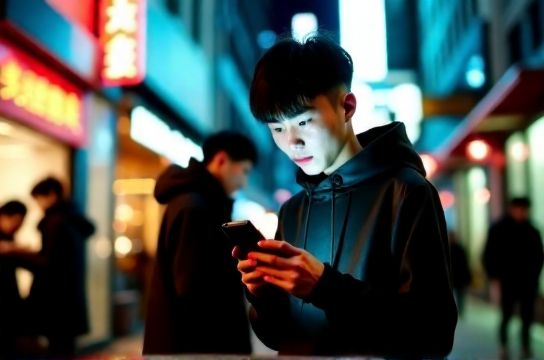
With smartphone penetration at 97% among urban youth, digital life is inseparable from reality. Social media isn’t just for sharing selfies—it’s where opinions form, movements start, and identities evolve. Hashtags like #BreakThe996 and #ChooseToStaySingle reflect growing resistance to outdated norms.
Yet, paradoxically, many crave deeper connections. The rise of 'downshifting' (tang ping) and 'lying flat' culture shows a desire to escape burnout. It’s not laziness—it’s a quiet rebellion against relentless pressure.
Lifestyle Snapshot: Urban Youth by the Numbers
| Metric | Data | Source |
|---|---|---|
| Average Age of First Marriage (Urban) | 29.2 (men), 27.1 (women) | NBS, 2023 |
| Youth Using Ride-Sharing Weekly | 74% | iResearch, 2023 |
| Prefer Freelance Over Full-Time Jobs | 41% | BOSS Zhipin Report |
| Daily Social Media Usage (Avg. Min) | 147 | CNNIC, 2023 |
These numbers paint a picture of a generation navigating complexity with creativity. They’re not rejecting ambition—they’re redefining it on their own terms.
The Road Ahead
As urban China evolves, so will its youth. Their choices today—from career paths to relationship models—will shape tomorrow’s social fabric. Brands, policymakers, and communities that listen will thrive. Because in the end, understanding China’s youth isn’t just about trends; it’s about empathy, innovation, and the courage to change.