
Youth Mental Health and Pressure in Modern China
- Date:
- Views:294
- Source:The Silk Road Echo
In today’s fast-paced China, young people are caught in a whirlwind of academic pressure, career anxiety, and social expectations. The phrase "neijuan" (内卷)—meaning 'involution' or relentless competition—has become a buzzword echoing across campuses and workplaces. But beneath the surface of this high-achieving society lies a growing mental health crisis among youth.
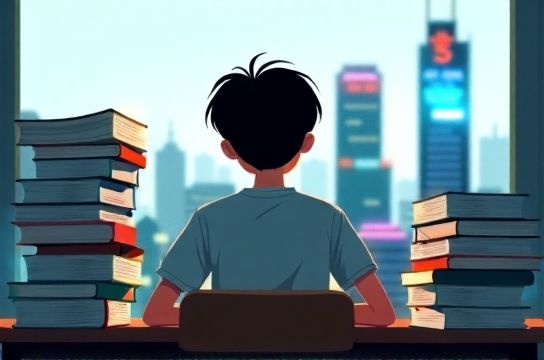
According to a 2023 report by the Chinese Mental Health Association, over 24.6% of Chinese adolescents show symptoms of depression, with nearly 17.5% experiencing anxiety disorders. These numbers aren’t just statistics—they represent real struggles faced daily by students pulling all-nighters, graduates scrambling for jobs, and young urban professionals burning out in pursuit of success.
The Academic Grind: From Gaokao to Grad School
For many Chinese youth, stress begins early. The Gaokao, China’s national college entrance exam, is often seen as a make-or-break moment. Students spend years preparing under intense pressure, sometimes attending tutoring sessions until midnight. A survey by Peking University found that 68% of high school students reported feeling chronically stressed during exam periods.
| Mental Health Indicator | Youth (15–24 years) | National Average |
|---|---|---|
| Depression Rate | 24.6% | 16.9% |
| Anxiety Symptoms | 17.5% | 12.1% |
| Suicidal Thoughts (Lifetime) | 8.3% | 5.2% |
Workplace Woes and Social Media Stress
After surviving school, many face the so-called "996" work culture—working from 9 AM to 9 PM, six days a week. In cities like Beijing and Shanghai, young professionals report feeling trapped in a cycle of overwork and emotional exhaustion. Add social media into the mix, where curated lives on platforms like Xiaohongshu and Douyin fuel comparison and self-doubt, and it’s no wonder burnout is rising.
A 2022 study published in Frontiers in Psychology revealed that young adults who spend more than 3 hours daily on social media are twice as likely to experience depressive symptoms compared to moderate users.
Breaking the Silence: Progress and Challenges
The good news? Awareness is growing. Schools in Guangdong and Zhejiang have started mandatory mental health education. Some tech companies now offer counseling services. And hashtags like #TalkAboutYourFeelings have gained traction online, encouraging open conversations.
But stigma remains. Many still view mental illness as a sign of weakness. Only about 1 in 5 affected youth seek professional help, according to the National Health Commission.
What Can Be Done?
- Schools: Integrate regular mental health screenings and reduce academic overload.
- Employers: Promote work-life balance and provide employee assistance programs.
- Families: Encourage emotional openness instead of pushing perfection.
- Youth: Practice self-care—sleep, movement, and real human connection matter.
Mental health isn’t a personal failure—it’s a societal responsibility. As China evolves, so must its understanding of what true success means. Maybe it’s time to redefine achievement: not by grades or salaries, but by well-being, resilience, and peace of mind.