
Inside China's Youth Movement Toward Slow Living
- Date:
- Views:348
- Source:The Silk Road Echo
In a world spinning faster than a TikTok scroll, China’s young generation is quietly hitting pause. Welcome to the slow living movement—a cultural shift where post-90s and post-00s urbanites are trading hustle culture for hot pot nights, calligraphy brushes, and countryside cottages. This isn’t laziness; it’s rebellion with a teacup.
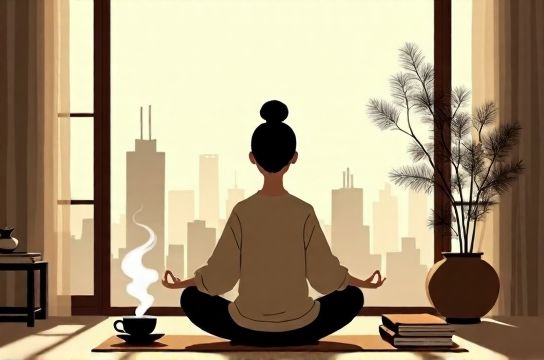
Gone are the days when "996" (9 AM to 9 PM, 6 days a week) was worn like a badge of honor. A 2023 survey by iResearch found that 68% of Chinese millennials now prioritize work-life balance over high salaries. Meanwhile, Bilibili, the go-to platform for Gen Z, has seen a 140% surge in videos tagged #SlowLife in just two years. From DIY soy sauce to weekend farming, these digital natives are redefining success—one mindful moment at a time.
The Rise of Anti-Hustle Culture
Urban burnout is real. In Beijing and Shanghai, over 45% of white-collar workers report chronic stress (China Mental Health Association, 2022). Enter "tanping" (lying flat)—a philosophy embraced by youth rejecting relentless competition. But slow living goes beyond apathy. It’s intentional: sipping loose-leaf tea instead of gulping coffee, biking instead of Didi, writing letters instead of texting.
Take Chengdu, dubbed China’s most "relaxing city." Cafés double as bookshops and cat lounges. Young entrepreneurs open chayuan (tea compounds) where a single session costs 88 RMB but lasts three hours. No rush. No Wi-Fi pressure. Just presence.
Data Dive: The Slow Living Lifestyle Snapshot
Here’s what the trend looks like in numbers:
| Lifestyle Choice | % of Urban Youth (Ages 18–35) | Primary Platform Sharing |
|---|---|---|
| Practices meditation or mindfulness | 57% | Xiaohongshu |
| Grows own herbs/vegetables | 39% | Bilibili |
| Prefers local travel over overseas trips | 63% | Little Red Book |
| Buys handmade or vintage goods | 48% | Taobao Handmade |
Source: Social Trends Report, McKinsey China Consumer Insights (2023)
From Digital Detox to Analog Revival
Ironically, social media fuels this offline revolution. On Xiaohongshu (China’s Instagram), hashtags like #TeaTime and #MySimpleLife rack up billions of views. Users post photos of ink-brush calligraphy, sourdough starters, and hiking trails near Hangzhou’s West Lake.
But it’s not just aesthetics. Many are going fully analog. Film photography sales rose 72% among under-30s in 2022 (DPreview Asia). Polaroid-style cameras fly off shelves. Why? Because developing film takes days—not seconds. That delay? It’s the point.
Slow Living, Big Impact
This mindset is reshaping markets. Independent bookstores, once thought dead, are thriving in cities like Nanjing and Xiamen. Brands like Moutai have launched premium tea lines. Even tech giants notice: Alibaba’s Taobao reports a 90% YoY increase in sales of traditional crafts.
More importantly, it’s healing minds. A Peking University study linked slow living habits to a 31% drop in anxiety symptoms among participants after six months.
So next time you see a young Beijinger grinding their own inkstick or a Shenzhen coder tending rooftop tomatoes—you’re not seeing retreat. You’re witnessing a quiet revolution. One breath, one brushstroke, one bowl of congee at a time.