
Inside China's Youth Subcultures and Urban Lifestyle
- Date:
- Views:301
- Source:The Silk Road Echo
China’s youth aren’t just following trends—they’re creating them. From underground hip-hop in Chengdu to digital nomads in Shanghai co-working spaces, a new wave of urban subcultures is reshaping what it means to be young in modern China.
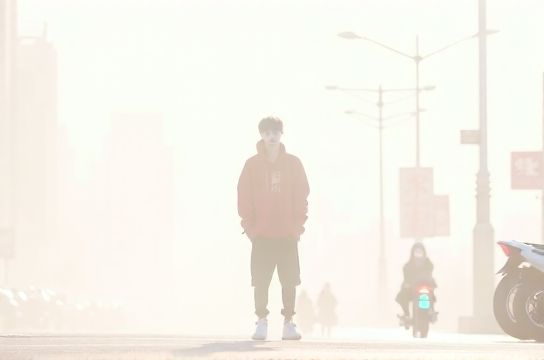
Gone are the days when '9-to-5 stability' was the dream. Today’s Gen Z and Millennials are trading job security for self-expression, blending tradition with rebellion in ways that surprise even sociologists. Let’s dive into the vibrant world of China’s youth—where fashion, music, tech, and lifestyle collide.
The Rise of Urban Subcultures
In cities like Beijing, Shenzhen, and Hangzhou, youth subcultures are thriving beyond state-approved narratives. Think streetwear brands like Boylondon and TYAKASHA, which fuse Chinese aesthetics with global punk vibes. Or the rise of 'danmei' (boys’ love) fandoms on platforms like Bilibili and Weibo, where millions gather to celebrate queer stories—even in a conservative landscape.
And it’s not just online. Real-world communities are forming around shared identities: sneakerheads hunting limited Nikes, indie music fans at basement gigs in Wuhan, or 'lying flat' (tang ping) advocates rejecting hustle culture.
Youth Lifestyle by the Numbers
To understand the scale, check out this snapshot of urban youth behavior:
| Category | Stat | Source |
|---|---|---|
| % of Gen Z in major cities using Douyin daily | 89% | iResearch, 2023 |
| Avg. monthly spending on hobbies (ages 18–30) | ¥1,240 (~$170) | McKinsey Urban Youth Report |
| Youth identifying with 'tang ping' mindset | 42% | Pew Global, 2022 |
| Growth in indie music festivals (YoY) | +35% | Live Nation China |
This isn’t passive consumption—it’s active identity-building. Young people are curating lifestyles that resist conformity while navigating tight social boundaries.
Cultural Flashpoints: Where Tradition Meets Rebellion
Take hanfu, the revival of traditional Han clothing. Once seen as nostalgic cosplay, it’s now a symbol of cultural pride—and resistance. Worn by students and influencers alike, hanfu events pop up in parks from Xi’an to Guangzhou, blending ancient elegance with TikTok fame.
Meanwhile, hip-hop crews in Chongqing rap about inequality and city life, often skirting censorship with coded lyrics. And don’t sleep on the 'cat café + vinyl bar' hybrid scene in Nanjing—where chill vibes meet analog nostalgia in one perfectly curated space.
Why This Matters
These subcultures aren’t fringe—they’re harbingers. They reflect deeper shifts: disillusionment with hyper-competition, hunger for authenticity, and a desire to redefine success on personal terms.
For brands? It’s a wake-up call. Spray-painted slogans won’t cut it. Authentic engagement—like Nike collaborating with local graffiti artists or Alibaba promoting indie designers on Tmall—wins trust.
For travelers? Dive deeper than the Great Wall. Hit a DIY concert in a Beijing warehouse. Join a tea ceremony hosted by Gen Z Taoists. These experiences reveal the soul of modern China.
So yeah, China’s youth aren’t shouting revolution—but they’re rewriting the script, one viral dance, handmade zine, or quiet act of defiance at a time.