
Inside Chinese Youth Culture and Rising Social Movements
- Date:
- Views:287
- Source:The Silk Road Echo
China's youth aren't just the future—they're already shaping the present. With over 180 million Gen Zers (born 1995–2010), this digitally native, socially aware generation is redefining culture, values, and civic engagement in ways both subtle and seismic.
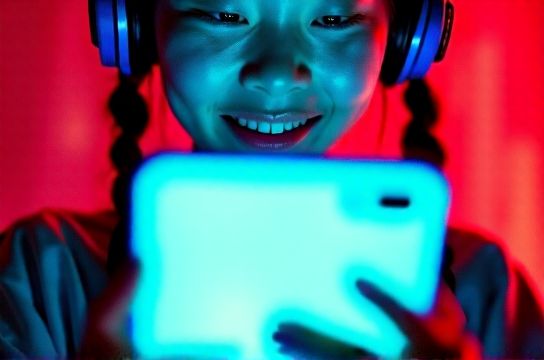
Gone are the days when young Chinese were seen as passive learners focused solely on gaokao and job stability. Today’s urban youth are embracing individuality through fashion, digital content creation, and niche subcultures—from Hanfu revivalists to underground rap fans. Platforms like Xiaohongshu (Little Red Book) and Bilibili have become cultural incubators where self-expression meets social commentary.
But it’s not all aesthetics. A quiet wave of social consciousness is rising. Environmental activism, gender equality debates, and mental health advocacy are gaining traction—often under the radar. For instance, a 2023 survey by Peking University found that 68% of urban youth aged 18–26 support stronger climate policies, even if it means personal lifestyle changes.
Here’s a snapshot of key youth-driven trends reshaping China:
| Trend | Platform Influence | Youth Engagement Rate* | Social Impact |
|---|---|---|---|
| Gender Equality | Weibo, Douban | 62% | Corporate DEI reforms, #MeToo echoes |
| Mental Health Awareness | Bilibili, Zhihu | 74% | University counseling expansion |
| Sustainable Living | Xiaohongshu, Taobao Green | 58% | Rise in eco-brands, zero-waste cafes |
| Cultural Revival (e.g., Hanfu) | Douyin, Kuaishou | 45% | Tourism boost, local pride |
*Engagement rate reflects % of surveyed youth who actively participate or express strong interest (Source: China Youth Daily, 2023).
What makes these movements unique? They’re decentralized, creative, and often coded in humor or nostalgia. Take the ‘tang ping’ (lying flat) movement—a tongue-in-cheek rejection of relentless hustle culture. While not a formal protest, it sparked national debate about work-life balance and youth burnout.
Likewise, ‘fan culture’ has evolved beyond idol worship. When pop star Kris Wu faced serious allegations in 2021, it was young female fans who led the digital charge for accountability—using encrypted chats and anonymous forums to bypass censorship.
Still, challenges remain. Censorship, academic pressure, and housing costs temper idealism. Yet, resilience persists. As one 23-year-old blogger put it: “We don’t march with banners. We post memes, start collectives, and vote with our wallets.”
In essence, Chinese youth culture today is a tapestry of resistance, reinvention, and hope—woven quietly but powerfully into the fabric of everyday life.