
Inside Chinese Youth Culture and Evolving Social Norms
- Date:
- Views:326
- Source:The Silk Road Echo
If you're trying to understand modern China, start with its youth. Born after 1990—especially the post-95s and post-00s generations—China's young people are redefining social norms, consumer habits, and even national identity. Forget the stereotype of obedient, exam-crushing students; today’s Chinese youth are more individualistic, digitally native, and socially aware than ever.
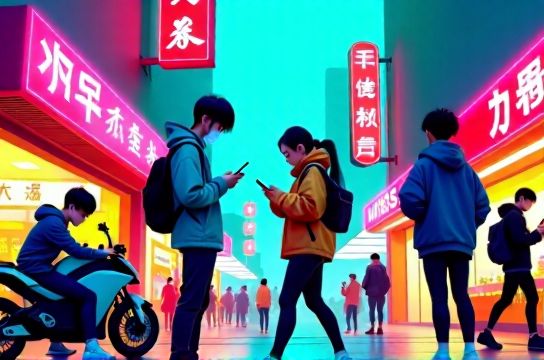
The Digital DNA of Gen Z
With over 200 million members, China’s Gen Z (born 1995–2009) is a force shaped by smartphones, social media, and e-commerce. Platforms like Douyin (TikTok), Bilibili, and Xiaohongshu (Little Red Book) aren’t just for entertainment—they’re cultural engines. A 2023 report by QuestMobile shows that users aged 18–24 spend an average of 3.6 hours daily on short-video apps.
This digital fluency fuels new forms of expression. Bilibili, known for its anime-loving community, now hosts lectures, indie music, and deep-dive documentaries—all wrapped in meme-heavy, interactive commentary. It’s not passive viewing; it’s participatory culture.
Work-Life Balance? More Like 'Lying Flat'.
Faced with sky-high housing prices, intense job competition, and the fading promise of upward mobility, many young Chinese are embracing "tang ping" or 'lying flat'. This isn’t laziness—it’s quiet resistance. Instead of chasing the traditional success ladder (marriage, home ownership, 9-to-9 jobs), they’re opting for minimalism, freelance gigs, and mental well-being.
A 2022 survey by Zhaopin found that 64% of graduates preferred stable but lower-paying jobs over high-pressure corporate roles. The '996' work culture (9 a.m. to 9 p.m., 6 days a week) is increasingly rejected—not just online, but in real life.
Love, Dating, and the Decline of Marriage
Marriage rates in China have dropped for eight consecutive years. In 2023, the national marriage registration rate hit a record low of 6.8 per 1,000 people, down from 9.9 in 2013. Among urban youth, the reasons are clear: financial pressure, gender inequality, and changing values.
More young women are prioritizing education and careers. In 2023, females made up 53% of university enrollments—a shift that empowers them to delay or reject marriage. Meanwhile, dating apps like Momo and Tantan offer alternatives to arranged meetings, though many still face family pressure during holidays like Spring Festival.
Consumer Trends: From Guochao to Green
Chinese youth aren’t just buying products—they’re voting with their wallets. The guochao (national trend) movement has boosted domestic brands like Li-Ning, Shein, and Perfect Diary. These brands blend tradition with streetwear aesthetics, appealing to patriotic yet fashion-forward youth.
| Brand | YoY Growth (2023) | Young Consumer Share |
|---|---|---|
| Li-Ning | 28% | 67% |
| Perfect Diary | 35% | 72% |
| Shein | 40% | 78% |
Sustainability is also rising. A 2023 McKinsey survey found that 61% of Chinese consumers aged 18–30 consider environmental impact when shopping—up from 42% in 2020.
The Bottom Line
China’s youth are navigating a complex world—balancing tradition and modernity, ambition and burnout, nationalism and global awareness. They’re not rebelling loudly, but through lifestyle choices, digital expression, and quiet defiance, they’re reshaping the nation’s future. To understand China tomorrow, watch its youth today.