
Insights into Chinese Society and Youth Lifestyle Today
- Date:
- Views:222
- Source:The Silk Road Echo
China today isn't just about ancient temples and pandas—it's a fast-paced, tech-driven society where youth culture is reshaping everything from fashion to finance. If you're trying to understand modern China, especially its younger generation, buckle up. We’re diving deep into how Chinese youth live, work, and play in 2024.
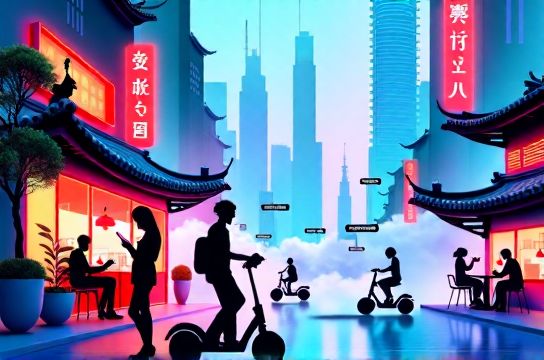
The Digital DNA of Gen Z
Forget desktops—over 98% of Chinese internet users access the web via smartphones (CNNIC, 2023). Platforms like Douyin (TikTok’s cousin), Xiaohongshu (Little Red Book), and Bilibili aren’t just apps; they’re lifestyles. Young people use them for shopping, socializing, and even therapy. In fact, 67% of urban Gen Zers say they’ve bought products based on influencer reviews.
Work Hard, But Also Rest Hard
You’ve heard of '996'—working 9 AM to 9 PM, 6 days a week. While that grind still exists, burnout has sparked a quiet rebellion. The term 'tang ping' (lying flat) went viral a few years ago, symbolizing resistance to overwork. Now, a new wave called 'bai lan' (opting out) is gaining traction. But don’t mistake this for laziness. It’s more about seeking balance.
Check out this snapshot of youth employment trends:
| Age Group | Preferred Job Type | Avg. Monthly Salary (RMB) | Job Satisfaction (%) |
|---|---|---|---|
| 18–22 | Freelance / Gig Work | 6,500 | 72 |
| 23–27 | Tech & Startups | 12,800 | 64 |
| 28–35 | Stable Corporate Roles | 18,500 | 58 |
Love, Money, and Housing Pressures
Marriage rates in China have dropped for seven straight years. In big cities like Shanghai, the average age for first marriage is now 30.2 for men and 28.7 for women. Why? Skyrocketing housing prices. In Beijing, the average home costs over 80 times the annual income of a typical young worker. That’s not a typo.
Still, youth are adapting. Co-living spaces, pet companionship, and 'friend-marriage' (platonic partnerships for social benefits) are rising. Emotional independence is becoming the norm.
Consumption with a Conscience
Chinese youth aren’t just spending—they’re curating. Sustainability matters. A 2023 McKinsey report found that 54% of Gen Z consumers actively choose eco-friendly brands, even if they cost more. Local brands like Bosideng (down jackets) and Li-Ning (sportswear) are winning hearts by blending tradition with streetwear flair.
Culture Reboot: Tradition Meets Trend
From Hanfu festivals to guochao (national trend) fashion, young Chinese are reclaiming cultural pride. They’re not rejecting the West—they’re redefining what it means to be Chinese in a globalized world. Apps like Bilibili host millions of videos on calligraphy, tea ceremonies, and classical poetry—but with meme-worthy edits.
In short, modern Chinese youth are complex. They’re digital natives with Confucian roots, chasing dreams while questioning hustle culture. To understand them is to glimpse the future—not just of China, but of a whole generation reimagining success.