
Youth Lifestyle and Urban Pressures in Modern China
- Date:
- Views:265
- Source:The Silk Road Echo
In today’s fast-paced China, urban youth are caught between dreams and daily survival. From Shanghai’s neon-lit skyscrapers to Beijing’s endless subway commutes, young professionals face mounting pressures — skyrocketing housing costs, fierce job competition, and the ever-present weight of family expectations. Yet, amid the chaos, a new lifestyle is emerging: one that blends hustle culture with mindful rebellion.
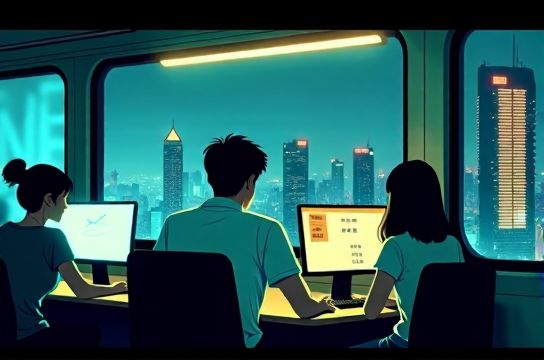
Take a look at the numbers. A 2023 survey by China Youth Daily found that over 65% of millennials in first-tier cities like Shenzhen and Guangzhou spend more than half their income on rent alone. That’s not living — that’s surviving.
The Cost of City Life: By the Numbers
| City | Avg. Monthly Rent (1BR) | Avg. Salary (Monthly) | Rent-to-Income Ratio |
|---|---|---|---|
| Beijing | ¥8,200 | ¥14,500 | 56.6% |
| Shanghai | ¥8,600 | ¥15,200 | 56.6% |
| Shenzhen | ¥7,900 | ¥14,800 | 53.4% |
| Hangzhou | ¥6,500 | ¥12,300 | 52.8% |
As this table shows, housing eats up over half the paycheck for most city-dwelling youth. No wonder terms like “tang ping” (lying flat) and “neijuan” (involution) have gone viral. These aren’t just buzzwords — they’re cries for breath in a system that glorifies overwork.
But here’s the twist: today’s Chinese youth aren’t just quitting. They’re redefining success. More are turning to side hustles — from livestream selling to freelance design — to reclaim autonomy. According to Alibaba’s 2024 report, nearly 40% of workers under 30 now earn extra income online.
Work-Life Balance? More Like Work-Life Blend
The 996 work culture (9 a.m. to 9 p.m., 6 days a week) may still haunt tech giants, but Gen Z is pushing back. Companies like Pinduoduo and ByteDance face growing scrutiny as young employees demand flexibility. Mental health apps like Xinya and KnowYourself have seen user growth surge by 200% since 2022.
And it’s not all doom and gloom. Urban youth are building communities around shared struggles. Co-living spaces, pop-up wellness events, and digital detox retreats are trending. In Chengdu, the 'slow life' vibe attracts migrants tired of Beijing’s grind. Cafes double as coworking spots; parks fill with yoga groups at sunrise.
Still, societal pressure lingers. Over 70% of singles aged 25–30 report family pressure to marry, per a 2023 Pew Research study. The government even launched matchmaking campaigns, urging youth not to ‘delay national rejuvenation’ by staying single. Yeah, really.
So What’s the Way Forward?
It’s clear: young Chinese aren’t rejecting ambition — they’re reshaping it. Success no longer means a luxury car or high-rise apartment. For many, it’s about freedom: to choose when to work, how to live, and who to be.
Policymakers are starting to listen. Cities like Chongqing offer housing subsidies for graduates; others are expanding mental health services. But real change starts with culture — valuing well-being over relentless output.
So if you’re a young urbanite in China, know this: you’re not alone. Whether you’re ‘lying flat’ or grinding through your startup dream, your struggle is part of a larger story — one where resilience meets reinvention.