
Youth Lifestyle and Modern China Social Shifts
- Date:
- Views:282
- Source:The Silk Road Echo
In today’s fast-evolving China, the youth lifestyle isn’t just about fashion or music—it’s a mirror reflecting deeper social transformations. From career choices to digital habits, young Chinese are reshaping the nation’s identity in bold, unexpected ways.
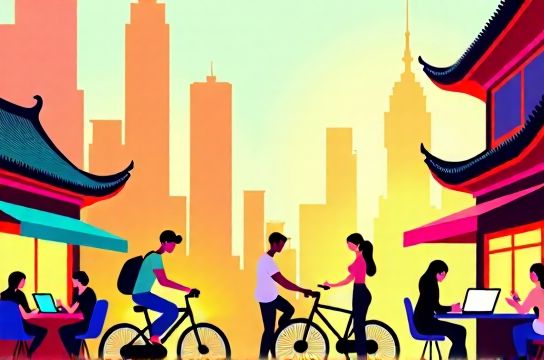
Gone are the days when success meant a stable government job or marrying early. Today’s Gen Z and Millennials prioritize personal fulfillment, work-life balance, and digital freedom. A 2023 survey by iResearch found that over 68% of urban youth aged 18–35 would trade a high salary for flexible working hours. That’s not laziness—it’s a values revolution.
Take the rise of "lying flat" (躺平) and "let it rot" (摆烂)—two viral philosophies rejecting relentless hustle culture. While critics call it defeatist, supporters see it as resistance against unrealistic societal pressure. In fact, 41% of young professionals admit to practicing some form of 'quiet quitting,' according to a PwC China report.
Digital Natives Driving Change
China’s youth live online—literally. Platforms like Xiaohongshu, Bilibili, and Douyin aren’t just entertainment hubs; they’re identity builders. Over 76% of young users say they’ve discovered new career paths through short videos, from indie game design to sustainable fashion.
And let’s talk spending. Forget luxury logos—today’s trendsetters invest in experiences and self-improvement. Check out this snapshot of monthly youth spending in major cities:
| Category | Avg. Monthly Spend (RMB) | Top Platform Used |
|---|---|---|
| Eating Out & Socializing | 1,200 | Meituan |
| Online Learning & Courses | 450 | Bilibili, Xueersi |
| Fitness & Wellness | 380 | Peloton-style apps |
| Digital Subscriptions | 120 | QQ Music, Tencent Video |
Notice how education and wellness beat out shopping? That’s purpose-driven consumption in action.
The New Career Playbook
Traditional ladders are crumbling. More than 22 million young Chinese now work in the gig economy—from livestream selling to freelance coding. Take Hangzhou’s Dream Valley, where 1 in 3 startups is founded by someone under 30. These aren’t Silicon Valley clones; they blend tech with cultural innovation, like AI-powered tea brands or VR ancestral tours.
But it’s not all smooth scrolling. Mental health struggles have spiked—nearly 30% of college students report anxiety symptoms (Chinese CDC, 2024). The pressure to stand out in a competitive market while maintaining authenticity is real.
Love, Life, and Delayed Milestones
Marriage rates among 25–29-year-olds have dropped by 35% since 2015. Why rush when you’re busy building a brand, launching a podcast, or traveling solo across Yunnan?
Yet, this isn’t loneliness—it’s redefined connection. Online communities offer belonging without obligation. Whether it’s a Douyin dance crew or a WeChat book club, belonging is chosen, not inherited.
In many ways, China’s youth aren’t breaking society—they’re upgrading it. They’re proving that progress isn’t just GDP growth, but the freedom to live meaningfully on your own terms.
So next time you see a teen filming a vlog at a temple or a coder meditating in a co-living space, don’t dismiss it. You’re witnessing the quiet architects of modern China.