
Understanding Chinese Youth Culture and Social Trends
- Date:
- Views:229
- Source:The Silk Road Echo
In today’s fast-evolving China, the youth aren’t just growing up—they’re reshaping culture. Born between 1995 and 2010, Gen Z in China is a force of digital natives, brand-savvy trendsetters, and socially conscious individuals redefining what it means to be young in the Middle Kingdom.
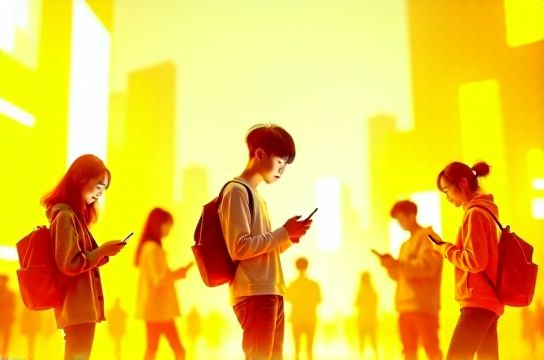
With over 200 million Gen Zers in China (National Bureau of Statistics, 2023), this generation controls an estimated $160 billion in annual spending power. They don’t just follow trends—they create them. From 'lying flat' (躺平) to 'revenge travel' (报复性旅游), their moods shape markets.
The Digital DNA: Where Culture Lives Online
If you want to understand Chinese youth, start with their phones. Platforms like Bilibili, Douyin (China’s TikTok), and Xiaohongshu (Little Red Book) aren’t just apps—they’re cultural hubs. Bilibili alone boasts over 300 million monthly active users under 35.
These platforms fuel niche communities—think Hanfu fashion lovers, indie music fans, or tech reviewers. Viral challenges, meme slang (like “内卷” or involution), and livestream shopping dominate daily life.
Values & Lifestyle: More Than Just Money
Unlike previous generations obsessed with stability, Chinese youth increasingly value self-expression and mental well-being. A 2023 survey by Tencent showed that 68% of Gen Z would take a pay cut for better work-life balance.
The 'lying flat' movement isn’t laziness—it’s quiet resistance against relentless competition. Meanwhile, 'involution' describes the exhausting rat race many are trying to escape. This tension shapes everything from career choices to consumer habits.
Spending Habits: Passion Over Prestige
Forget luxury logos. Today’s youth spend on experiences, authenticity, and identity. Whether it’s limited-edition sneakers, local craft coffee, or eco-friendly brands, values drive purchases.
Check out this snapshot of monthly spending habits:
| Category | Avg. Monthly Spend (RMB) | Top Platforms |
|---|---|---|
| Fashion & Streetwear | 860 | Xiaohongshu, Taobao |
| Digital Entertainment | 420 | Bilibili, NetEase Cloud Music |
| Coffee & Cafés | 350 | Maotai Coffee, Manner |
| Livestream Shopping | 720 | Douyin, Kuaishou |
As you can see, digital engagement directly fuels real-world spending. Livestream commerce hit 2.5 trillion RMB in 2023 (iiMedia Research), with Gen Z making up nearly half of buyers.
Looking Ahead: The Future is Fluid
Chinese youth culture is not monolithic. It’s diverse, dynamic, and deeply networked. Brands that succeed aren’t those shouting the loudest—but those listening closely, acting authentically, and engaging with meaning.
Whether through indie collaborations, sustainability efforts, or embracing digital subcultures, the key is resonance, not reach.
In short: To understand China’s future, watch its youth. They’re not just coming of age—they’re reimagining it.