
Green Spaces and Urban Wellbeing China
- Date:
- Views:328
- Source:The Silk Road Echo
In the hustle of skyscrapers and subway lines, a quiet revolution is blooming across China’s megacities—green spaces are becoming the heartbeat of urban wellbeing. From Beijing’s historic temple parks to Shenzhen’s futuristic eco-corridors, cities are planting more than trees; they’re cultivating mental peace, social connection, and public health.
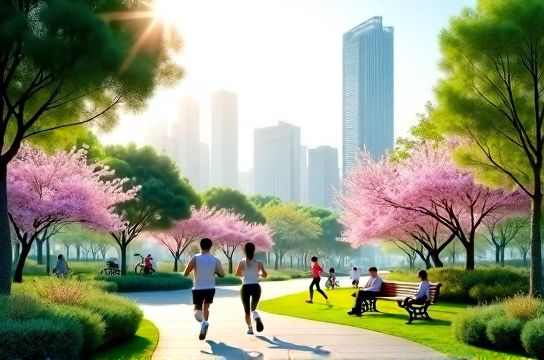
Did you know? A 2023 study by Tsinghua University found that residents living within 500 meters of a park reported 27% lower stress levels and were 40% more likely to exercise regularly. As urban density climbs—over 65% of China’s population now lives in cities—the role of green infrastructure isn’t just nice-to-have; it’s essential.
The Mental Health Boost of Urban Greenery
In Shanghai, where land prices soar, every square meter of green counts. Yet, the city has committed to creating 300 new pocket parks by 2025. Why? Because data shows that even brief exposure to nature reduces cortisol, the stress hormone. A Peking University survey revealed that just 20 minutes in a park improved mood and focus in 8 out of 10 office workers.
China’s Top Cities for Green Access
Here’s how some major cities stack up in green space per capita (source: Ministry of Housing and Urban-Rural Development, 2023):
| City | Green Space per Capita (㎡) | Park Access Rate (%) | Air Quality Index (AQI) Avg. |
|---|---|---|---|
| Shenzhen | 18.2 | 96% | 48 |
| Hangzhou | 16.7 | 92% | 54 |
| Chengdu | 15.3 | 89% | 61 |
| Beijing | 12.6 | 81% | 78 |
| Shanghai | 9.8 | 76% | 71 |
Notice a trend? More green space often means cleaner air and happier people. Shenzhen leads the pack with nearly 18㎡ of greenery per person—almost double Shanghai’s amount—and consistently ranks among China’s most livable cities.
Urban Design Meets Nature: The Sponge City Initiative
China isn’t just adding parks—it’s rethinking urban design. The Sponge City Program, launched in 2015, now includes 30 pilot cities using green roofs, permeable pavements, and wetlands to absorb rainwater and reduce flooding. In Wuhan, this approach cut flood incidents by 60% during the 2022 monsoon season.
These aren’t just engineering feats—they’re wellness upgrades. Wetlands and bioswales don’t just manage water; they create tranquil spaces for walking, birdwatching, and unwinding.
Community Power: How Locals Are Shaping Green Spaces
In Guangzhou, residents helped redesign Ersha Island Park, adding yoga zones and community gardens. Result? Park usage jumped by 50%. This participatory model is spreading fast—because when people help grow a park, they’re more likely to cherish it.
And let’s talk about kids. A 2022 study in Nanjing showed children playing in naturalized playgrounds (with logs, sand, and plants) developed 30% better motor skills than those in traditional plastic-heavy lots.
The Road Ahead: Equity and Innovation
Still, challenges remain. Low-income neighborhoods often have less access to quality green space. But cities are responding: Chongqing recently opened 12 new hillside parks in underserved districts.
With AI-powered park maintenance and solar-integrated benches rolling out in Hangzhou and Suzhou, the future of urban greenery is smart, sustainable, and inclusive.
So next time you stroll through a city park in China, remember—you’re not just enjoying nature. You’re part of a bold experiment in urban healing, one tree at a time.