
Generational Gaps in Chinese Households
- Date:
- Views:363
- Source:The Silk Road Echo
China's rapid modernization has brought skyscrapers, super apps, and sky-high expectations — especially within families. While WeChat pay is just a tap away, bridging the generational gap in Chinese households? That’s a whole different story. From parenting styles to career choices, tech habits to marriage pressures, the clash between tradition and modernity plays out daily in living rooms across Beijing to Baoding.
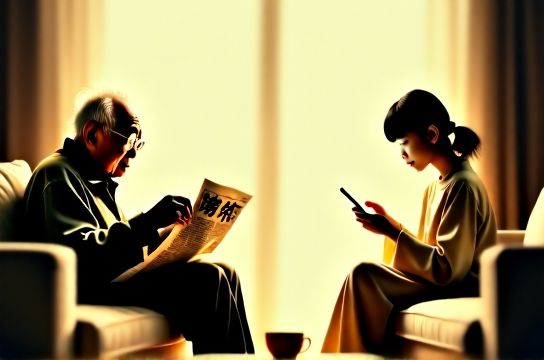
The Roots of the Rift
It’s not just “kids these days” versus “back in my day.” The divide runs deeper. Born into scarcity, many parents from the older generation value stability, obedience, and saving face. Meanwhile, millennials and Gen Z, raised amid China’s economic boom, chase self-expression, mental well-being, and personal fulfillment.
A 2023 survey by Peking University found that 68% of urban youth feel misunderstood by their parents, especially on topics like delayed marriage and non-traditional careers. On the flip side, over 60% of parents aged 55+ worry their children are “too individualistic.”
Where the Tension Shows Up
| Topic | Older Generation (45+) | Youth (18–35) |
|---|---|---|
| Marriage Age | 25–28 ideal | 30+ acceptable |
| Career Choice | Stable job (e.g., civil servant) | Freelance, startup, creative fields |
| Digital Use | WeChat for calls/texts | Bilibili, Xiaohongshu, Douyin |
| Mental Health | “Just work harder” | Therapy, self-care normal |
This isn’t just cultural noise — it’s emotional friction. Think: mom forwarding red packet messages at midnight while her daughter’s doomscrolling therapy memes on Xiaohongshu. Or dad asking, “Why aren’t you a civil servant yet?” when all you want is to be a podcast host.
The Silent Shift: Who’s Adapting?
Surprisingly, change is brewing. A 2022 study in Social Behavior and Personality showed that 44% of parents have learned to use short video apps to “understand their kids better.” Some even follow their children’s Douyin accounts anonymously!
Meanwhile, younger folks aren’t entirely rebellious. Many still send holiday money to parents or attend family dinners — but now, they’re also setting boundaries. Terms like “emotional labor” and “toxic positivity” are trending among urban youth, signaling a new awareness.
Bridging the Gap: Real Talk That Works
- Speak in analogies: Compare your freelance income to how dad once traded coupons during shortages — both are systems outsiders don’t get.
- Share content: Send a Bilibili video explaining anxiety instead of arguing about “why you’re always tired.”
- Use humor: Meme wars > shouting matches. A well-timed GIF can defuse tension faster than a lecture.
The goal isn’t total agreement — it’s mutual respect. As one Shanghai Gen Z blogger put it: “I don’t need my mom to love my tattoo. I just need her to stop calling it ‘a mistake.’”
Looking Ahead
With China’s birth rate declining and elder care rising, intergenerational harmony isn’t just emotional — it’s practical. Families that communicate well report lower stress and stronger support networks.
The generational gap won’t vanish overnight. But with empathy, a bit of tech-savviness, and yes, even memes, Chinese households are slowly rewriting the script — one WeChat voice note at a time.