
Rural vs Urban Living in Contemporary China
- Date:
- Views:330
- Source:The Silk Road Echo
China’s rapid development over the past few decades has sparked a massive shift from rural to urban living. But is city life really better than the countryside? Let’s dive into the real story behind rural vs urban living in contemporary China, backed by data, trends, and everyday realities.
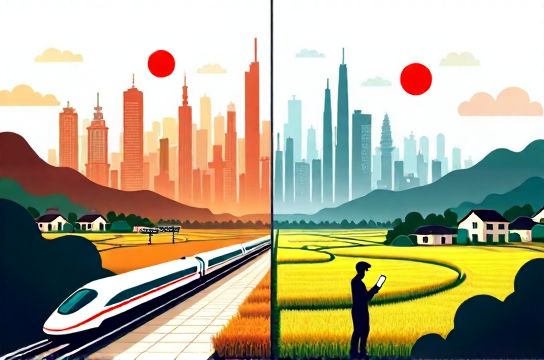
The Great Migration: By the Numbers
Since the 1980s, over 300 million people have moved from villages to cities. In 2023, urbanization hit 65.2% — up from just 26% in 1990 (World Bank). That means nearly two-thirds of Chinese now live in cities. But what are they gaining — and losing?
| Metric | Urban Areas | Rural Areas |
|---|---|---|
| Average Monthly Income (2023) | ¥10,500 | ¥4,800 |
| Access to High-Speed Internet | 98% | 76% |
| Life Expectancy | 78.2 years | 74.5 years |
| Household Size | 2.6 people | 3.4 people |
Urban Life: Fast, Connected, Expensive
Cities like Shanghai, Shenzhen, and Beijing offer high-paying jobs, world-class healthcare, and endless entertainment. Want K-pop concerts, 24-hour convenience stores, or a latte from a unicorn-themed café? Urban China delivers.
But it comes at a cost. Housing prices in Tier-1 cities can exceed ¥100,000 per square meter. A one-bedroom apartment might cost more than a small village home — with ten times the mortgage stress.
Traffic? Brutal. The average Beijing commuter spends 52 minutes each way to work (Gaode Maps, 2023). And don’t forget air quality — while improving, many cities still face smog alerts in winter.
Rural Life: Slower, Simpler, Underrated
Head to the countryside, and you’ll find something rare in modern life: space, quiet, and community. Many villages now have paved roads, stable electricity, and even delivery services from JD and Pinduoduo.
Farming may not pay big, but self-sufficiency does wonders. Growing your own vegetables, raising chickens, and sharing harvests with neighbors cuts food costs dramatically. Plus, housing? Often owned outright — no rent, no mortgage.
The trade-off? Fewer job opportunities, limited specialty healthcare, and sometimes patchy internet. But the government’s Rural Revitalization Strategy is pouring billions into upgrading infrastructure, schools, and digital access.
So, Which Is Better?
It depends on what you value. Crave career growth, diversity, and fast-paced energy? Go urban. Prioritize peace, lower costs, and closer family ties? Rural life might surprise you.
And here’s a twist: some are doing both. "Weekend villagers" — city dwellers who renovate old homes in the countryside — are rising. They enjoy fresh air on weekends and keep their city jobs. Hybrid living is the new trend.
The Future: Bridging the Gap
China isn’t forcing a choice anymore. With 5G expanding to remote areas and e-commerce empowering rural entrepreneurs, the gap is shrinking. In fact, rural online retail sales hit ¥2.5 trillion in 2023 — up 12% year-on-year.
Meanwhile, cities are learning from the countryside — promoting green spaces, community gardens, and slower lifestyles to fight burnout.
In the end, whether you're sipping bubble tea in Chengdu or watching rice grow in Yunnan, modern China offers more ways than ever to live well.